


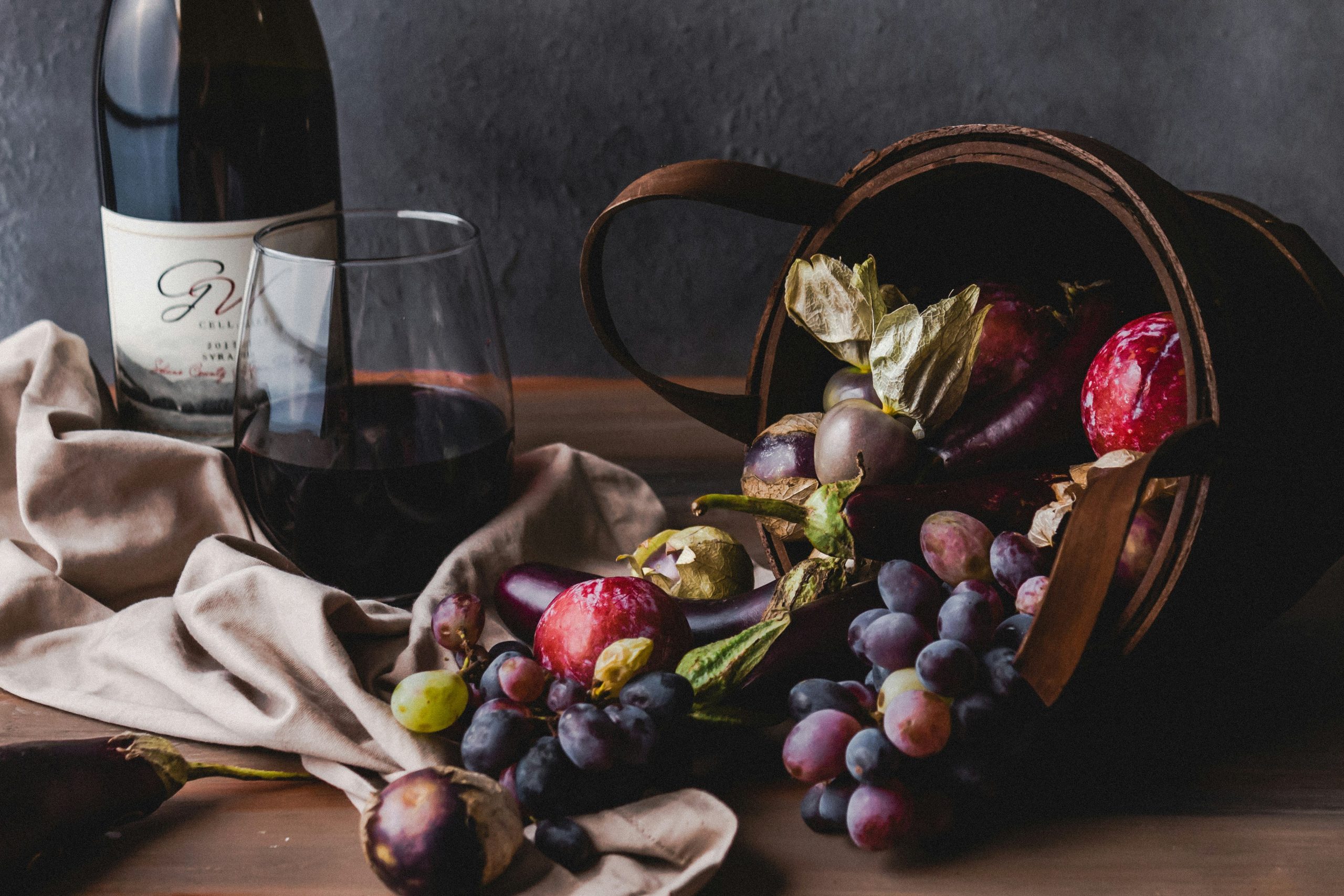
Red wine can feel intimidating when you are first getting into it. Labels are full of unfamiliar grape names, regions you have never visited, and tasting notes that sometimes sound more like poetry than something you would actually taste. Add in words like “tannin”, “terroir”, and “maceration” and it is no surprise that many people assume red wine is complicated.
The truth is that red wine is only complex if you try to learn everything at once. Once you understand a few fundamentals, choosing and enjoying red wine becomes far more intuitive. You do not need to memorise every wine region in the world or pretend to smell things you do not recognise. You just need a practical framework and a few reliable entry points.
This beginner’s guide to red wine covers how red wine is made, why different grape varieties taste different, how terroir affects flavour, how to choose red wine if you are new to it, and which styles make the best starting point. You will also find beginner-friendly red wines available from Hops and Barley, along with a detailed FAQ section designed to answer the most common questions people ask about red wine.
Red wine is made from dark-skinned grapes where the juice ferments in contact with the grape skins. That contact with the skins is the key difference between red wine and white wine, and it is responsible for most of the characteristics people associate with red wine.
When grape skins are left in the juice, they release colour, flavour compounds, and tannins. Tannins are what create the drying sensation you may feel on your gums or tongue when drinking some red wines. They are not a flaw, but a structural component that gives red wine shape and helps it pair well with food.
At its simplest, red wine is about balance between:
Not all red wines are heavy or intense. Some are light, fresh, and easy drinking. Others are bold, structured, and built for rich meals. Learning to recognise these differences is the first step to enjoying red wine rather than feeling overwhelmed by it.
Understanding how red wine is made helps explain why different bottles taste so different, even when they are made from the same grape.
Grapes are harvested when the winemaker believes they have the right balance of sugar, acidity, and flavour ripeness. Warmer climates tend to produce riper grapes with higher sugar levels, which usually results in fuller-bodied wines with higher alcohol. Cooler climates often produce fresher wines with brighter acidity.
Most red wines are made by removing the stems and gently crushing the grapes so the juice can come into contact with the skins. Some producers include whole bunches or stems to add extra structure or herbal notes, but this is more common in specific styles.
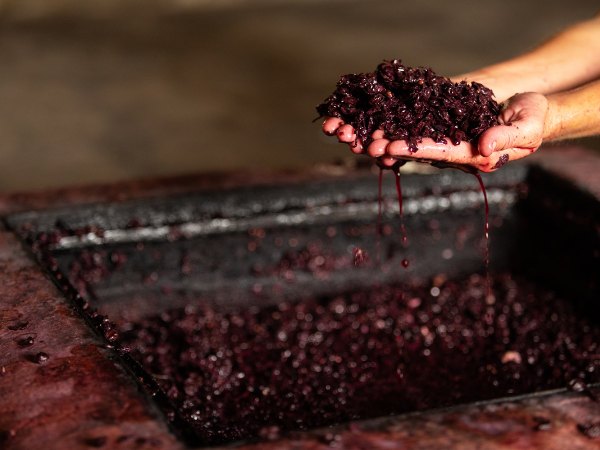
During fermentation, yeast converts the natural sugars in grape juice into alcohol. As this happens, the grape skins rise to the top and form what is known as a “cap”. Winemakers manage this cap by pushing it back into the juice or pumping juice over it, which controls how much colour and tannin are extracted.
Once fermentation is complete, the wine is pressed to separate the liquid from the skins and seeds. The pressure used during pressing can influence how tannic or structured the final wine becomes.
Most red wines undergo a secondary process called malolactic fermentation. This converts sharper acids into softer ones, making the wine taste rounder and smoother.
Red wines may be aged in stainless steel tanks, oak barrels, or a combination of both. Stainless steel preserves fresh fruit flavours, while oak can add notes of spice, vanilla, toast, and texture. New oak has a stronger influence than older, reused barrels.
Before bottling, wines may be blended, clarified, and stabilised. Some reds are designed to be enjoyed immediately, while others improve with time in the bottle.

If there is one winemaking term worth remembering, it is maceration. Maceration refers to the time the grape skins spend in contact with the juice or wine.
Longer maceration generally leads to:
Shorter maceration usually results in:
Some producers use a technique called cold maceration, where crushed grapes are kept cool before fermentation begins. This helps extract colour and aroma more gently before alcohol is present. The International Organisation of Vine and Wine explains this process in more detail on their website:
For beginners, the takeaway is simple. If you find red wine too drying or intense, look for styles known for softer tannins or lighter extraction.
Different grapes have different natural characteristics, even before terroir and winemaking choices come into play. Think of grape varieties as the foundation of a wine’s personality.
Merlot is one of the best red grapes for beginners. It is often smooth, rounded, and approachable, with flavours of plum, black cherry, and sometimes chocolate.
Beginner-friendly Merlots:
Malbec tends to be richer and darker in flavour, often showing blackberry and plum notes. Argentine Malbecs are particularly popular for their balance of richness and drinkability.
Malbecs to try:
Cabernet Sauvignon is typically more structured, with firmer tannins and flavours such as blackcurrant, cedar, and sometimes green pepper. It often shines with food.
Cabernet Sauvignon options:
Pinot Noir is lighter in body with softer tannins and flavours of red berries and florals. It is an excellent choice if you usually find red wine too heavy.
Spanish reds labelled as “tinto” are often fruit-forward and easy drinking, making them great everyday wines.
Terroir is the collective term for the environment in which grapes are grown. Climate, soil, rainfall, elevation, and sunlight all influence how grapes develop.
Cooler climates tend to produce wines with higher acidity and fresher fruit flavours. Warmer climates often produce riper, fuller-bodied wines with higher alcohol. Soil affects water retention and vine stress, which can influence flavour concentration. Elevation can bring cooler temperatures while still providing intense sunlight.
For beginners, the most useful habit is to note both the grape and the country or region when you enjoy a wine. This quickly builds an understanding of what styles you prefer.
If you feel lost when choosing a red wine, use these simple filters.
First, decide on body. Do you want something light, medium, or full-bodied?
Second, think about tannin. If you dislike the drying sensation, start with softer styles like Merlot or Pinot Noir.
Third, match the wine to the occasion. Easy reds for midweek, fuller reds for rich meals.
Fourth, consider oak. If you dislike vanilla or smoky flavours, choose fruit-forward or unoaked styles.
Finally, if you are unsure, buy a mixed case so you can try multiple styles without overthinking each bottle.
If you want to learn red wine quickly, tasting a small range of styles is far more effective than reading endless descriptions.
A great place to start is a mixed case such as:
Signature Red Wine Selection – Case of 6 Bottles
This allows you to compare different grapes and styles side by side and discover what you actually enjoy.

Red wine is often best served slightly cooler than modern room temperature. Light reds benefit from being served cooler than full-bodied styles. Most everyday reds improve with 10 to 20 minutes of air after opening.
You do not need to decant every bottle. Decanting is most useful for very tannic wines or older bottles with sediment. Once opened, most red wines are best enjoyed within two to three days if re-corked and kept cool.
Store unopened bottles away from heat and direct sunlight. A cool cupboard is usually better than a warm kitchen shelf.
Match the intensity of the wine to the food. Light dishes work best with lighter reds, while rich dishes need fuller-bodied wines. Tannin works particularly well with protein and fat, which is why red wine pairs so naturally with steak, burgers, and hard cheeses.
For spicy food, choose fruit-forward reds with softer tannins, as high tannin and chilli heat can clash.
Is red wine made from red grapes?
Yes. Red wine is made from dark-skinned grapes, with colour extracted from the skins during fermentation.
Why does red wine taste dry?
The drying sensation comes from tannins, which are extracted from grape skins, seeds, and sometimes oak.
What is the best red wine for beginners?
Many beginners enjoy Merlot, approachable Malbec, easy Spanish reds, and lighter styles like Pinot Noir.
Should red wine be chilled?
Slightly. Many reds taste better a little cooler than room temperature.
Do I need to decant red wine?
Not always. Most everyday reds only need a little time to breathe.
Learning red wine does not require expertise, expensive bottles, or complicated tasting notes. The fastest way to understand red wine is to taste a few different styles, notice what you enjoy, and repeat those choices.
If you want a simple, confidence-building starting point, a mixed case of red wine lets you explore without pressure and quickly discover your preferences. From there, red wine stops being intimidating and starts being enjoyable, which is exactly how it should be.





We’re always on the phone, emails and social media ready to take your questions, orders or offer advice and services whenever you need it.
8:30am - 7pm open 7 days a week, inc bank holidays.






 North West
 Email
Email