



Most people will happily spend good money on a bottle of gin… then top it with whatever tonic happened to be on offer. That’s where things fall apart.
Tonic isn’t just filler, it’s most of your drink. The wrong one can flatten a good gin. The right one can completely change it.
If your G&Ts have ever felt a bit meh, this is probably why.

Short answer: yes—more than you think.
Think of it like this:
Switch the tonic and you can make the same gin:
Same bottle, completely different drink.

You don’t need to know every brand—just the styles.
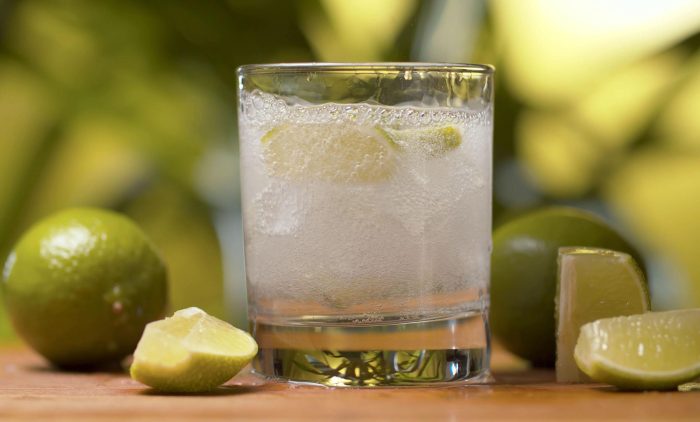
This is the one most people think of when they hear “tonic water”—and for good reason. It’s the original, the benchmark, and still the most versatile option out there. The name goes back to the days of the British Empire in India. Soldiers and officials were given quinine, a naturally bitter compound, to help prevent malaria. The problem? It tasted awful. So they mixed it with Water, Sugar, Citrus and eventually, gin.
That combination evolved into what we now know as tonic water—and, naturally, the gin and tonic followed not long after. This classic is characterised by
If you’re not sure what to use, start here.
Best for:
If Indian tonic is the “default” G&T base, light or slimline tonic is the refined, sharper cousin—perfect for those who want a crisper, less sweet drink. The main difference is in sugar content. Regular Indian tonic has enough sugar to balance the bitterness of quinine. Slimline or light tonic reduces sugar significantly (sometimes replacing it with artificial or natural sweeteners).
This leaves the drink slightly drier and sharper—which some gin lovers prefer, especially when paired with citrus-forward or botanical-heavy gins. The sweetness is dialled back so the botanical notes in the gin come through more clearly. It is:
Good if you find standard tonic too sweet.
Best for:
Lighter, more refreshing serves
Citrus-forward gins
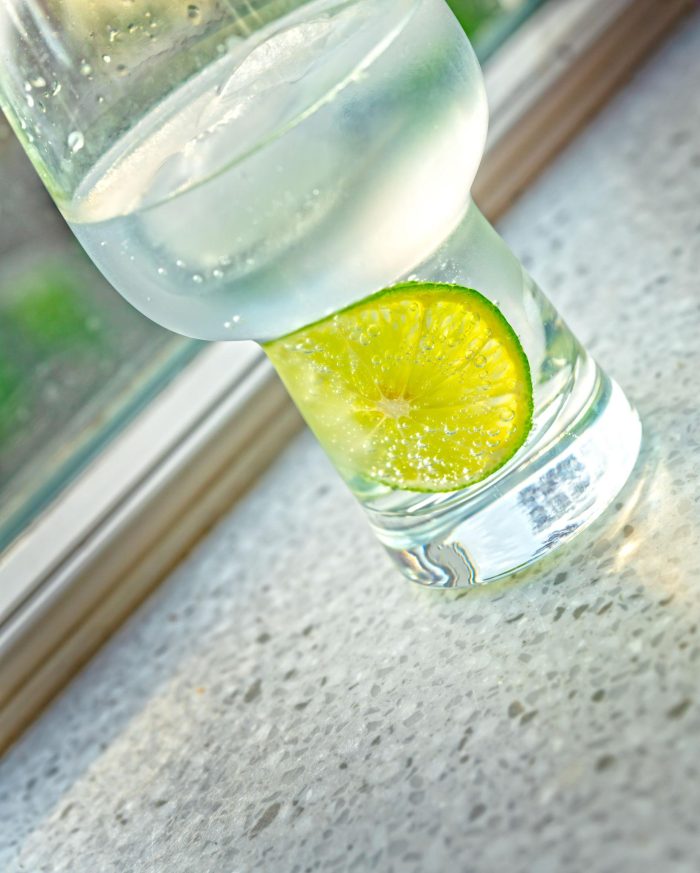
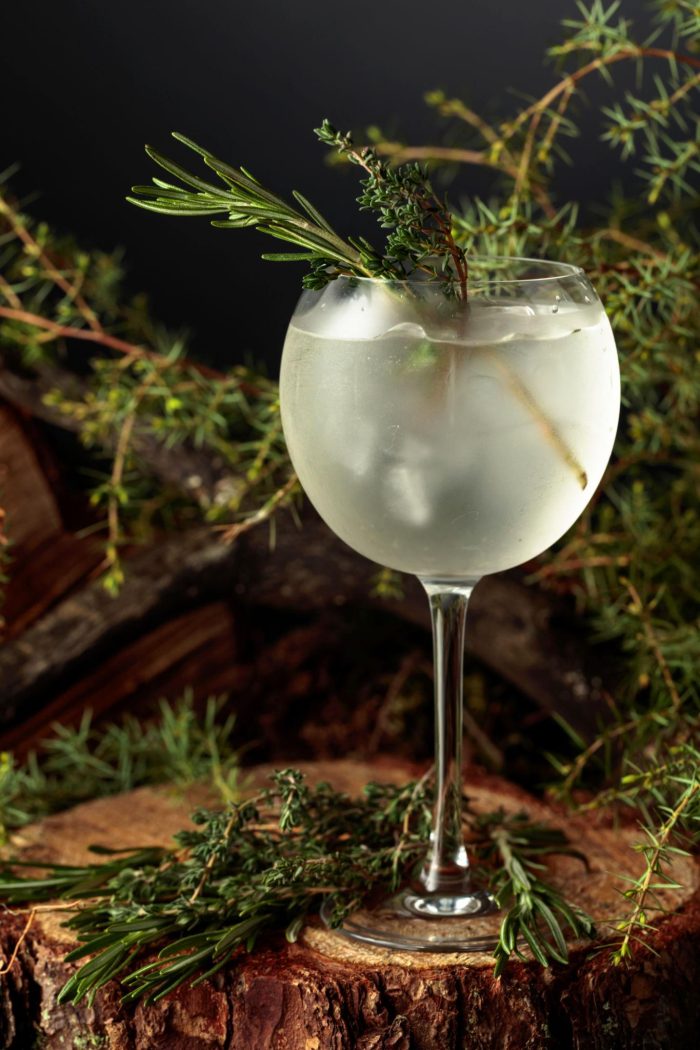
Mediterranean or herbal tonic is where things start to feel a little more refined and aromatic. It’s softer than a classic Indian tonic and is designed to highlight the delicate botanicals in your gin rather than mask them. Unlike Indian tonic, Mediterranean tonic focuses on aroma and subtlety over sweetness. With slightly lower bitterness than a classic tonic and less sugar than traditional Indian tonic but usually more than slimline. With these Tonics the focus is on herbal or citrus botanicals added for complexity
The result is a softer, fragrant tonic that plays nicely with more delicate gins. These botanicals give the tonic its signature aromatic quality, making it almost a co-star with the gin. Famous for:
This is where things start to feel a bit more “premium.”
Best for:
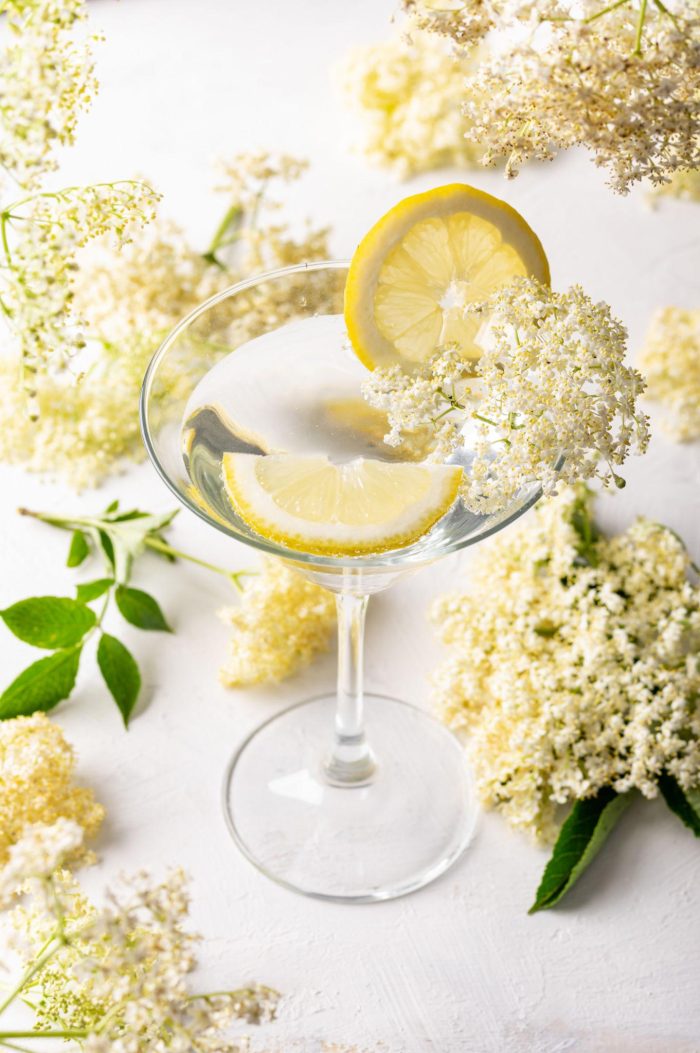
Elderflower and other flavoured tonics have exploded in popularity—and it’s easy to see why. These are smoother, sweeter, and more approachable than classic or herbal tonics, making them perfect for lighter, easy-drinking G&Ts. Flavoured tonics are all about flavour enhancement rather than strict balance, they’re often lower bitterness than Indian tonic and with a sweeter profile to appeal to casual drinkers. You’ll find added floral or fruit notes for extra character
Elderflower is the most common, but other flavours—like pink grapefruit, cucumber, or hibiscus—also appear. Each gives your G&T a distinctive twist without complicating the drink.
Great if you’re not into bitter drinks.
Best for:
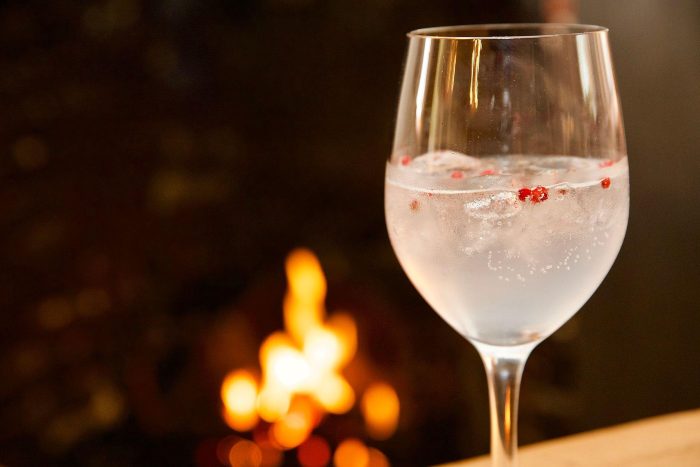
Aromatic or spiced tonics are for the gin drinkers who want something bold, complex, and full of character. These tonics aren’t subtle—they’re designed to stand up to stronger gins and make every sip interesting. Unlike classic, light, or flavoured tonics, aromatic tonics are about depth and complexity—think juniper, pink peppercorn, or cardamom Often slightly bitterer, giving a more pronounced backbone with layered flavours that interact with the gin rather than simply complement it.
The idea is to elevate the G&T into something closer to a cocktail, rather than a simple mixed drink.
👉 Ideal if you want something a bit different.
Best for:
You don’t need to overthink it, just match the intensity and style. There are a few simple rules of thumb that you can stick to make sure you maximise your G&T experience.
→ Indian tonic or aromatic tonic
Keeps things balanced and lets the juniper come through
→ Light tonic or Mediterranean tonic
Keeps it crisp and refreshing
→ Indian tonic or light tonic
Avoid going too sweet or it gets overpowering
→ Aromatic tonic
Gives it something to stand up against
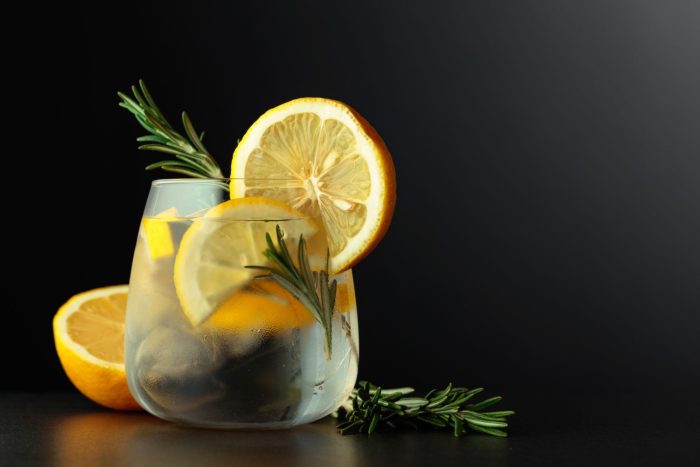
It’s equally easy to over complicate it, but the general rules to keep to should be as follows:
Like a classic G&T → go Indian tonic
Prefer less sweetness → go light tonic
Want something smoother → go Mediterranean
Like easy drinking → go elderflower
Want something different → go aromatic
That depends on how many Gin’s you have at home and how often you drink them. If you are
You don’t need loads, but having 2–3 options makes a big difference:
That alone gives you flexibility without overcomplicating things.
A good gin deserves a good tonic, invest a little effort in your G&T and you can easily elevate your experience. It doesn’t have to be much, but who doesn’t mind a little theatre? A little effort here can go a long way on your tastebuds.
You don’t need to go overboard but choosing the right one can make your nights in, or nights out that little bit better.
Once you start experimenting, you’ll realise pretty quickly, it’s not the gin you’ve been getting wrong.





We’re always on the phone, emails and social media ready to take your questions, orders or offer advice and services whenever you need it.
8:30am - 7pm open 7 days a week, inc bank holidays.







 North West
 Email
Email