



Orange wine is one of the fastest-growing trends in the wine world, yet many people are still unsure exactly what it is. Despite the name, orange wine isn’t made from oranges. Instead, it’s a style of white wine produced using an ancient winemaking technique that creates a distinctive amber, golden or orange colour.
By fermenting white grapes with their skins still attached, winemakers create a wine with more texture, flavour and complexity than a traditional white wine. The result is a unique style that combines some of the freshness of white wine with the structure and character often associated with red wine.
The key difference between orange wine and conventional white wine is skin contact.
When making most white wines, the grape skins are removed shortly after pressing. For orange wine, white grapes are fermented with their skins, seeds and sometimes stems for an extended period, ranging from a few days to several months.
During this process, the wine extracts colour, tannins and flavour compounds from the grape skins. This gives orange wine its characteristic amber hue and fuller texture. The longer the skin contact, the deeper the colour and the more pronounced the flavours and tannins become.
Many producers use traditional winemaking methods, including natural fermentation and ageing in clay vessels, oak barrels or concrete tanks, although modern styles are increasingly common.
One of the reasons orange wine has become so popular is its distinctive flavour profile.
Orange wines often display notes of:
Unlike most white wines, orange wine typically has noticeable tannins, creating a slightly grippy texture on the palate. Some styles are bright and fruity, while others are savoury, earthy and highly complex.
Because of its texture and structure, orange wine can pair particularly well with foods that are often difficult to match with wine, including spicy dishes, rich cheeses, roasted vegetables and Middle Eastern cuisine.
Orange wine is made throughout the world, but its roots lie in Georgia, where skin-contact winemaking has been practised for thousands of years.
Today, some of the most respected orange wines come from:
Winemakers in these regions use a wide variety of white grape varieties, creating styles that range from fresh and approachable to bold and intensely structured.

Although orange wine may seem like a modern trend, it is actually one of the oldest styles of wine in the world.
Archaeological evidence suggests that skin-contact winemaking dates back more than 8,000 years. Ancient winemakers in Georgia fermented grapes in large clay vessels known as qvevri, which were buried underground to help regulate temperature.
For centuries, this method remained largely confined to parts of Eastern Europe. However, interest in traditional and minimal-intervention winemaking helped reintroduce orange wine to a global audience during the late 20th century.
Today, many producers combine ancient techniques with modern winemaking practices to create exciting and diverse expressions of orange wine.
Orange wine has experienced a surge in popularity over the past decade as consumers become more adventurous and seek out new wine experiences.
Several factors have contributed to its rise:
Orange wine offers something genuinely different from both white and red wine, appealing to drinkers looking to explore beyond traditional styles.
Its combination of freshness, texture and tannin makes orange wine exceptionally versatile with food, particularly modern and globally inspired cuisines.
Many orange wines are produced using low-intervention or natural winemaking techniques, aligning with growing consumer interest in authenticity and traditional production methods.
The striking amber and copper colours of orange wine have also helped attract attention, making it a favourite among wine enthusiasts and trend-conscious drinkers alike.
If you’re looking to expand your wine horizons, orange wine is well worth exploring. Combining ancient winemaking traditions with distinctive flavours and remarkable food-pairing versatility, it offers a completely different experience from most white wines.
Whether you’re a seasoned wine enthusiast or simply curious about one of the industry’s fastest-growing categories, orange wine provides a fascinating glimpse into both the history and future of winemaking.
If you are interested in trying some orange wine there is currently a fantastic introduction to the variety available from Hops and Barley.
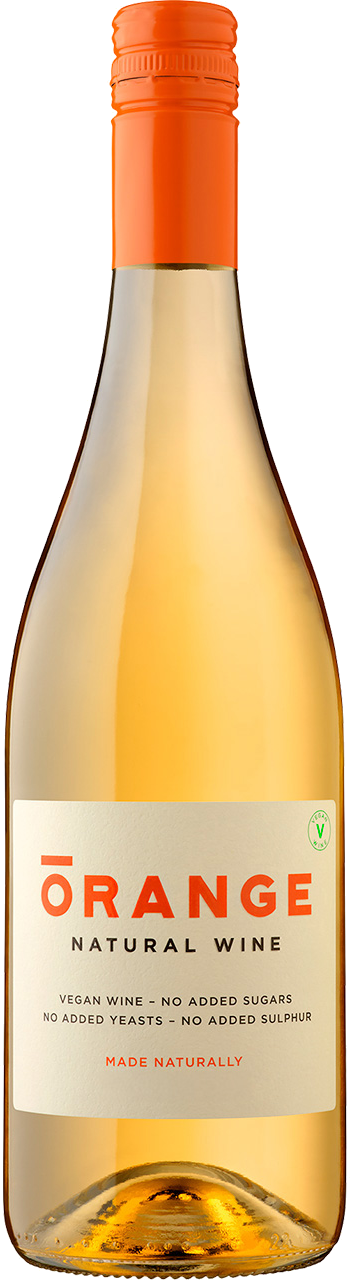
A distinctive and characterful natural orange wine from the Timiș region of Romania, crafted from a blend of Chardonnay and Viognier grapes. Complex and aromatic, it combines citrus and floral notes with layers of dried apricot, orange zest and warming spice, creating a beautifully expressive and modern wine style.





We’re always on the phone, emails and social media ready to take your questions, orders or offer advice and services whenever you need it.
8:30am - 7pm open 7 days a week, inc bank holidays.







 North West
 Email
Email