



For many people, wine comes wrapped in a long list of rules. Some are genuinely helpful, but others have been repeated so often that they’ve become accepted as fact without much scrutiny. From serving temperatures to corks, ageing and food pairings, wine is full of advice that sounds convincing but doesn’t always stand up to modern reality.
To separate fact from fiction, we’ve ranked ten of the most common wine myths that continue to influence how people buy, serve and enjoy wine. Some contain a grain of truth, others are wildly outdated, and a few deserve to be retired altogether. Here are the wine myths that are long overdue for a rethink.
The Myth:
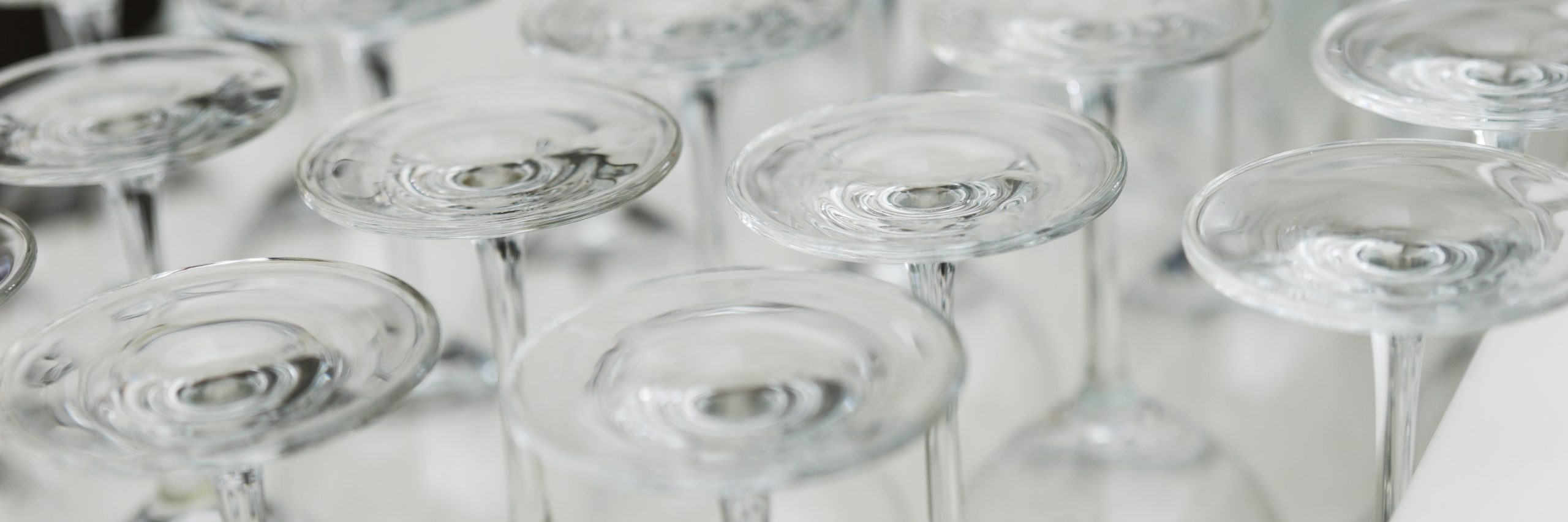
A proper wine experience requires a cabinet full of specialist glasses.
The Reality:
A good glass helps, but the difference between a £5 supermarket glass and a £50 designer glass is far smaller than many wine enthusiasts would have you believe. Clean glassware and a generous bowl matter far more than the logo etched on the stem.
In fact, unless you’re comparing vastly different glass shapes, most drinkers would struggle to notice a meaningful difference in a blind tasting. While specialist glassware can enhance certain aromas, the quality of the wine itself will always have a far greater impact on your experience. If you’re choosing between spending an extra £50 on glasses or an extra £50 on the wine, the wine is usually the better investment.
The Myth:
Every bottle of red should be opened hours before drinking.
The Reality:
Some wines benefit from air, but many everyday reds are designed to be enjoyed immediately. Leaving a delicate Pinot Noir open for hours can actually make it less enjoyable, not more.
The idea of “letting a wine breathe” has some truth behind it, but it’s often applied far too broadly. Younger, fuller-bodied wines can soften and open up with a little exposure to air, while older or more delicate wines may lose their freshness surprisingly quickly. For the vast majority of wines found on supermarket shelves, there’s no need to plan hours ahead—simply pour a glass and enjoy. If the wine improves after twenty minutes in the glass, that’s a bonus rather than a requirement.
The Myth:
Rosé belongs on a sun lounger and nowhere else.
The Reality:
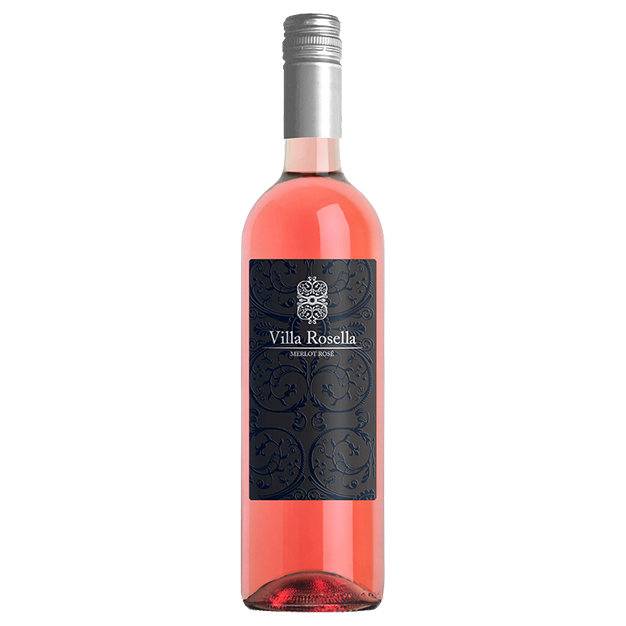
Many rosés are excellent year-round wines. Dry rosés pair beautifully with roast chicken, seafood, charcuterie and even Christmas leftovers. The calendar doesn’t care what colour your wine is.
Part of rosé’s seasonal reputation comes from marketing, with pale pink wines often promoted alongside sunshine, barbecues and holidays. In reality, the best rosés offer the freshness of a white wine combined with some of the structure and fruit character of a light red, making them remarkably versatile at the table. Whether you’re serving a summer salad or a hearty autumn lunch, a well-made rosé can be every bit as suitable as its red or white counterparts.
The Myth:
As your wine knowledge improves, you should stop drinking sweet wines.
The Reality:
Some of the world’s most celebrated wines are sweet. Sauternes, Tokaji and Ice Wine require incredible skill to produce and regularly command higher prices than prestigious dry wines.
The misconception often comes from confusing sweetness with simplicity. While mass-produced sweet wines have given the category a mixed reputation, many of the world’s finest sweet wines are among the most complex and labour-intensive to make. Their balance of sweetness, acidity and concentration creates layers of flavour that can evolve for decades, earning them a place alongside the most respected wines on the planet.
The Myth:
The older the bottle, the better the wine.
The Reality:
Most wine sold today is intended to be consumed within a few years of purchase. In fact, many wines reach their peak within 12 to 36 months. Keeping a supermarket Sauvignon Blanc for a decade isn’t patience—it’s neglect.
Ageing wine successfully requires more than simply leaving a bottle in a cupboard and hoping for the best. Wines that improve with age are usually made with specific characteristics—such as high acidity, firm tannins or concentrated fruit—that allow them to develop over time. The vast majority of everyday wines are crafted to be enjoyed while their flavours are fresh and vibrant, meaning that waiting too long can actually diminish their quality rather than enhance it.

The Myth:
The streaks running down the side of the glass reveal quality.
The Reality:
Wine legs mostly indicate alcohol content and, to a lesser extent, sugar levels. They can tell you something about the wine’s composition, but virtually nothing about whether it’s good.
The sight of wine slowly running down the inside of a glass can certainly look impressive, which is perhaps why the myth has endured for so long. However, legs are simply the result of evaporation and surface tension at work. A wine with pronounced legs may be stronger or slightly sweeter than another, but they offer no reliable insight into balance, complexity or overall quality—the things that actually determine whether a wine is worth drinking.
The Myth:
A quality wine must have a cork.
The Reality:
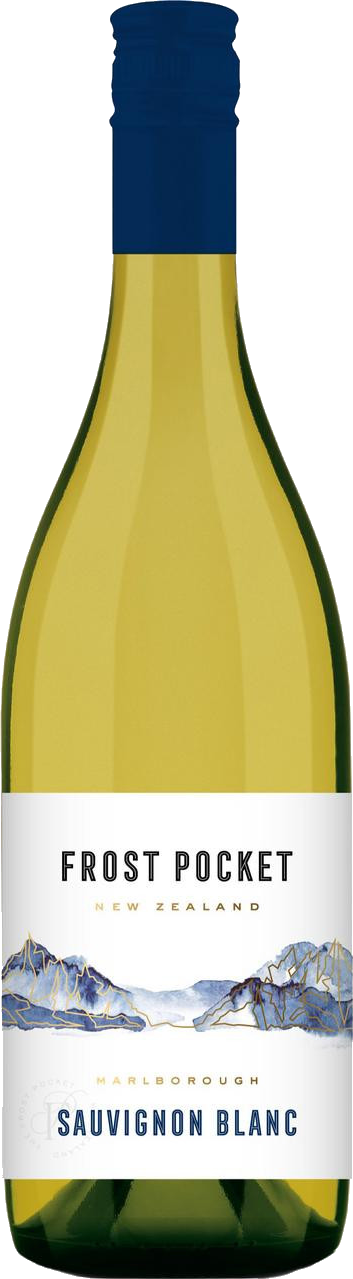
Many premium producers use screwcaps deliberately because they provide consistency and eliminate cork taint. Some of New Zealand’s finest Sauvignon Blancs and Australia’s best Rieslings have used screwcaps for years.
The prejudice against screwcaps is largely a matter of perception rather than performance. Traditional corks carry a certain romance and ceremony, but they can also introduce faults or allow unwanted variation between bottles. Screwcaps offer a reliable seal that helps preserve freshness, which is why many highly respected winemakers choose them for quality reasons rather than cost-saving measures. In many cases, the closure tells you far less about the wine than what’s inside the bottle.
The Myth:
Leave it on the sideboard and serve.
The Reality:
This advice dates back to draughty European houses where room temperature was closer to 16–18°C. Modern homes often sit above 21°C, making many reds taste overly alcoholic and flabby. A slight chill can dramatically improve many red wines.
The phrase “room temperature” is one of the most misleading pieces of wine advice still in circulation. It originated in a very different era, when homes were significantly cooler than they are today. In modern heated rooms, serving red wine at ambient temperature can mute freshness and exaggerate alcohol, making the wine feel heavier than intended. A brief spell in the fridge can often bring the wine back into balance, sharpening its structure and making it far more enjoyable to drink.
The Myth:
Fish equals white wine.
The Reality:
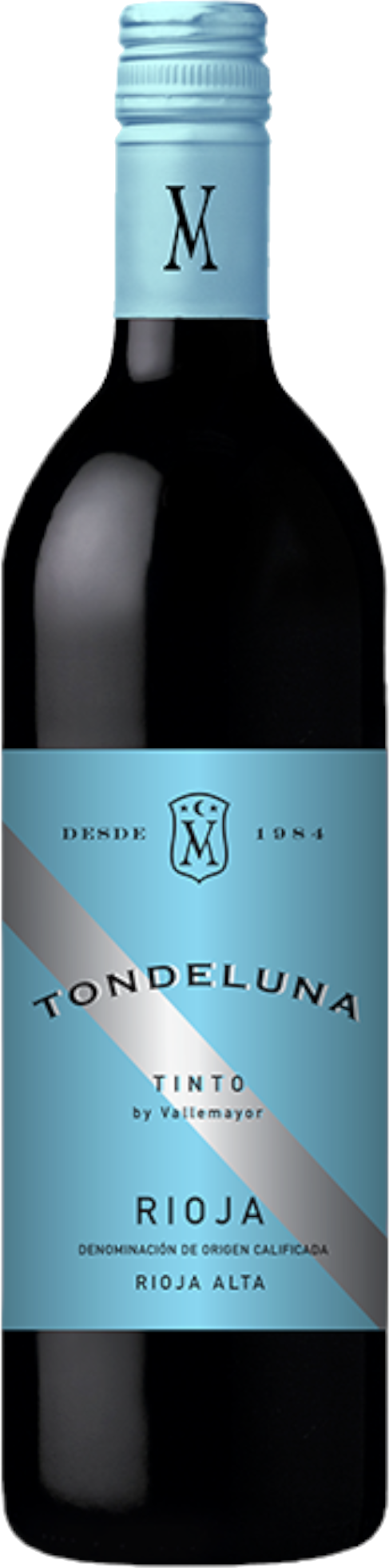
The real rule is matching intensity. A delicate cod fillet might suit Sauvignon Blanc, but grilled tuna, salmon and swordfish can be superb with Pinot Noir, Gamay or even lighter styles of Rioja.
The idea that fish must only ever be paired with white wine is one of the most persistent shortcuts in food and wine matching. In reality, the key consideration is weight and flavour intensity rather than the colour of the wine. Lean, delicate fish tend to work best with crisp, high-acid whites, but richer, oilier fish such as salmon or tuna can comfortably stand up to lighter reds with soft tannins. When the balance is right, red wine can be just as successful with seafood as white.
The Myth:
Price equals quality.
The Reality:
Price reflects many things besides flavour: scarcity, reputation, marketing, packaging, vineyard costs and demand. Blind tasting studies repeatedly show that people often struggle to distinguish expensive wines from well-made, affordable alternatives.
This is why price is such a poor proxy for enjoyment in a blind context. Once the label is removed, even experienced drinkers can struggle to consistently identify which wine is “premium” and which is simply well-made and modestly priced. That doesn’t mean expensive wines are without merit—many genuinely are exceptional—but it does mean that price alone is often doing more storytelling than the liquid inside the bottle.
Wine has centuries of tradition behind it, which is part of its charm. Unfortunately, it also means old advice gets repeated long after it stops being useful. Some myths were once true, some were always oversimplifications, and others were invented to make wine seem more complicated than it really is.
The good news? The more wine you try, the more you’ll realise that personal preference matters far more than rigid rules.
Because at the end of the day, the only wine rule that never goes out of fashion is simple: drink what you enjoy.







We’re always on the phone, emails and social media ready to take your questions, orders or offer advice and services whenever you need it.
8:30am - 7pm open 7 days a week, inc bank holidays.






 North West
 Email
Email