


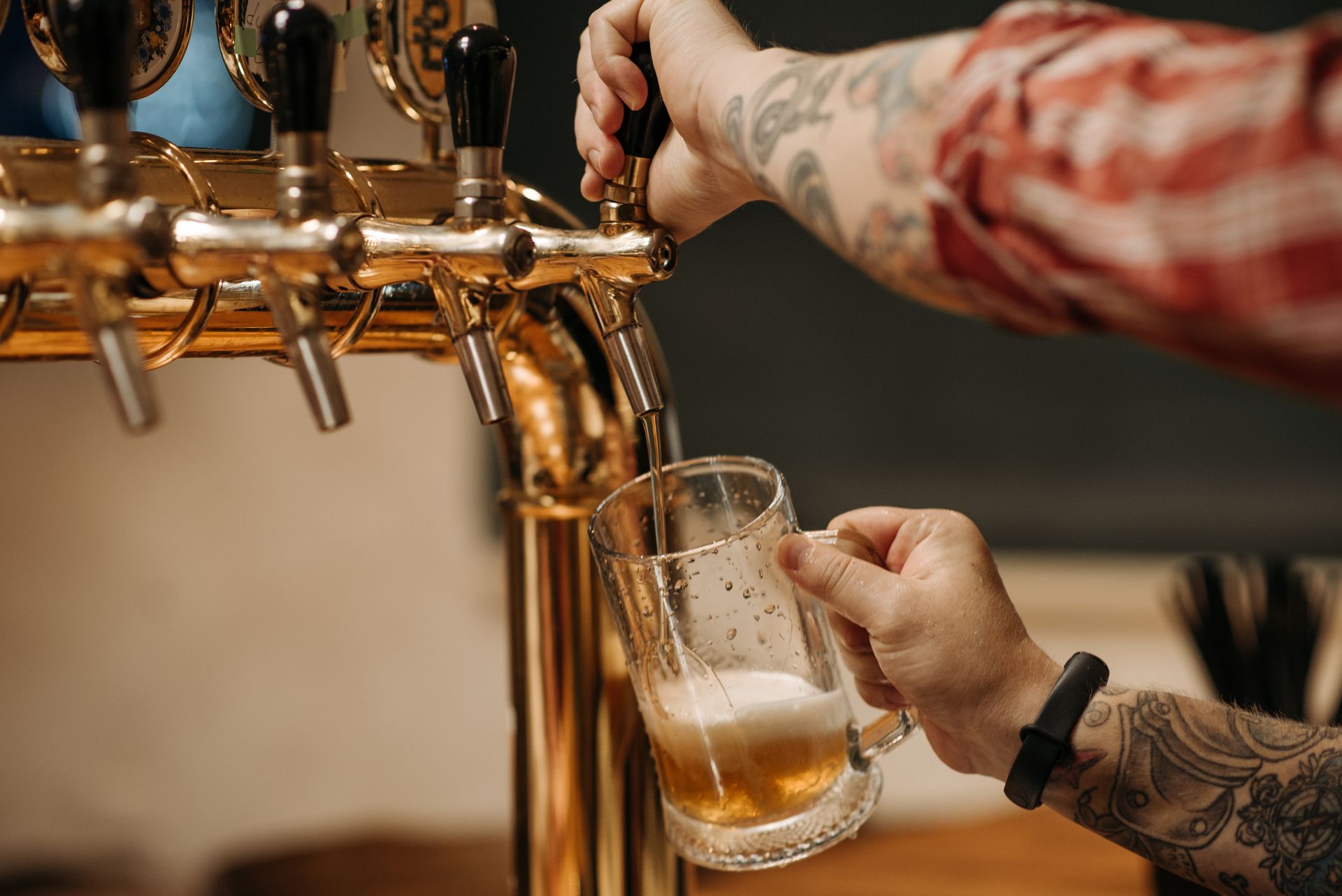
Ever ordered the same beer in two different pubs and wondered why it tastes noticeably different? It’s not your imagination. Even when the drink is technically identical, a combination of storage, serving conditions and environment can change the way it tastes in the glass.
Here are the key reasons your pint can vary so much from pub to pub.
Beer is highly sensitive to temperature. Most cask and keg beers are designed to be served around 8–12°C, but not every pub’s cellar is perfectly regulated.
When a cellar runs slightly warmer than intended, the beer tends to soften and open out. It can feel a little sweeter on the palate, with a heavier body and less of the crisp, refreshing edge you’d normally expect from a well-kept pint.
When the temperature drops the other way and the beer is served colder than ideal, the opposite effect kicks in. The carbonation feels more pronounced, creating a sharper, more fizzy impression, while some of the more subtle flavour notes become harder to pick out.
In simple terms, the direction of the change matters:
Even a couple of degrees either way is often enough to shift the balance of a pint in a way most people will notice, even if they can’t quite put their finger on why it tastes different.
Beer travels from the keg or cask through a network of lines before it ever reaches your glass. If those lines aren’t cleaned regularly, residue gradually builds up inside the system. That build-up has a direct impact on what you end up tasting.
Over time, even small amounts of yeast, hop oils and sugar deposits can start to influence the beer as it passes through. The result isn’t always immediately obvious, but it can affect the pint in a few common ways:
In a well-maintained cellar system, this is tightly controlled, which is why some pubs consistently pour brighter, cleaner-tasting pints than others. However, standards vary quite widely from one venue to another. Those small differences in maintenance often show up in the glass more than people realise.
It’It’s not just what you drink — it’s what you drink from.
A glass might look clean at a glance, but even minor issues with rinsing or handling can have a noticeable impact on the final pint. Residue from detergent, grease from fingerprints, or poor drying techniques can all interfere with how beer behaves once it’s poured.
In practice, this can:
Even a perfectly brewed and perfectly poured beer can feel slightly “wrong” if the glass isn’t truly beer-clean. The texture changes, the aroma is muted, and the pint never quite opens up the way it should. We talk about this more here
A pint isn’t just liquid it’s a balance of liquid, carbonation, and foam working together in the glass.
The way a beer is poured has a direct impact on how it presents itself. Even if the product coming out of the tap is exactly the same. Small changes in technique can shift how the beer behaves in ways most drinkers will notice immediately, even if they can’t explain why.
Different pouring styles can affect:
Foam, in particular, plays a bigger role than it often gets credit for. Too much head can make a beer feel lighter, more aromatic, and quicker to drink. Too little can flatten the experience, making it feel heavier and less lively in the glass. The difference isn’t just visual — it changes the overall balance of the pint from first sip to last.
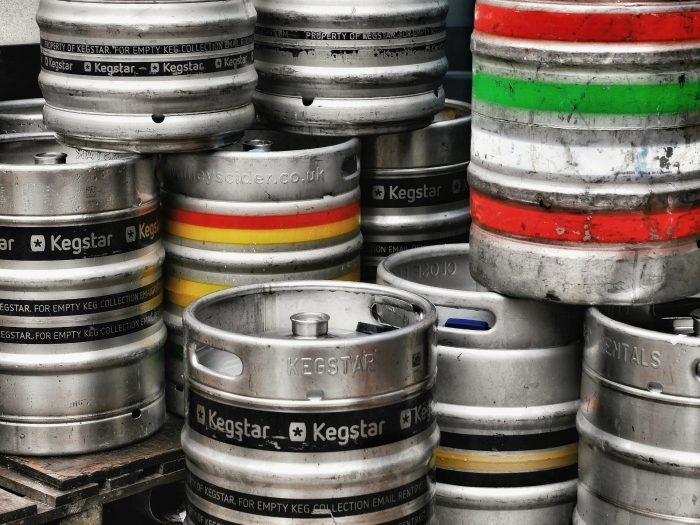
Keg beers rely on carefully calibrated gas mixtures. Usually this is carbon dioxide on its own or blended with nitrogen depending on the style. This system is what pushes the beer from the cellar to the tap, and it plays a bigger role in the final pint than most people realise.
If the pressure is even slightly out, the beer can change in noticeable ways. Higher pressure tends to drive more gas into the liquid, creating a sharper, more fizzy sensation in the mouth and a more aggressive carbonation profile. On the other hand, lower pressure reduces that push, leading to a softer, flatter mouthfeel where the beer can feel smoother but less lively.
In some cases, pubs or cellar teams may make small adjustments depending on the beer or the desired serve, which introduces another layer of variation between venues. Even when the same keg is used, those subtle differences in dispense pressure can change how the beer feels from pub to pub.
Not all beer moves through a pub at the same speed. In a busy venue, stock is constantly turning over, meaning beer is more likely to be served closer to when it was delivered. In quieter pubs, the same beer can sit in the cellar or storage for longer periods before it’s poured.
Over time, that slower rotation can have a noticeable effect on quality. Beer that’s been sitting longer may:
This is especially noticeable with hop-forward styles like IPAs, where freshness plays a major role in delivering the bright, aromatic character the beer is known for.
Your surroundings have a much bigger influence on perception than most people realise, and beer is no exception.
Everything from the environment you’re drinking in to the people around you can subtly shift how that pint is experienced in the moment. It’s not just about taste — it’s about context, mood, and expectation working together.
Factors that play a role include:
Put simply, a beer in a lively, busy pub often feels more enjoyable and satisfying than the exact same beer in a quiet or unfamiliar setting. The product hasn’t changed — but the experience absolutely has.
Even when breweries aim for consistency, real-world conditions introduce variation once the beer is actually out in the trade.
For a start, ingredient sourcing isn’t always completely static. Most breweries work to tight specifications, but small differences in hop harvests, malt batches, and water treatment inputs can still occur across brewing cycles. These shifts are usually subtle, but they can slightly influence aroma intensity, bitterness perception, or overall balance from one batch to the next.
On top of that, brewing itself is not a completely frozen process. Even well-established recipes can see small operational adjustments over time, things like fine-tuning fermentation conditions, adjusting hopping schedules, or responding to efficiency pressures as production scales. None of this changes the identity of the beer, but it can nudge its character in small, incremental ways.
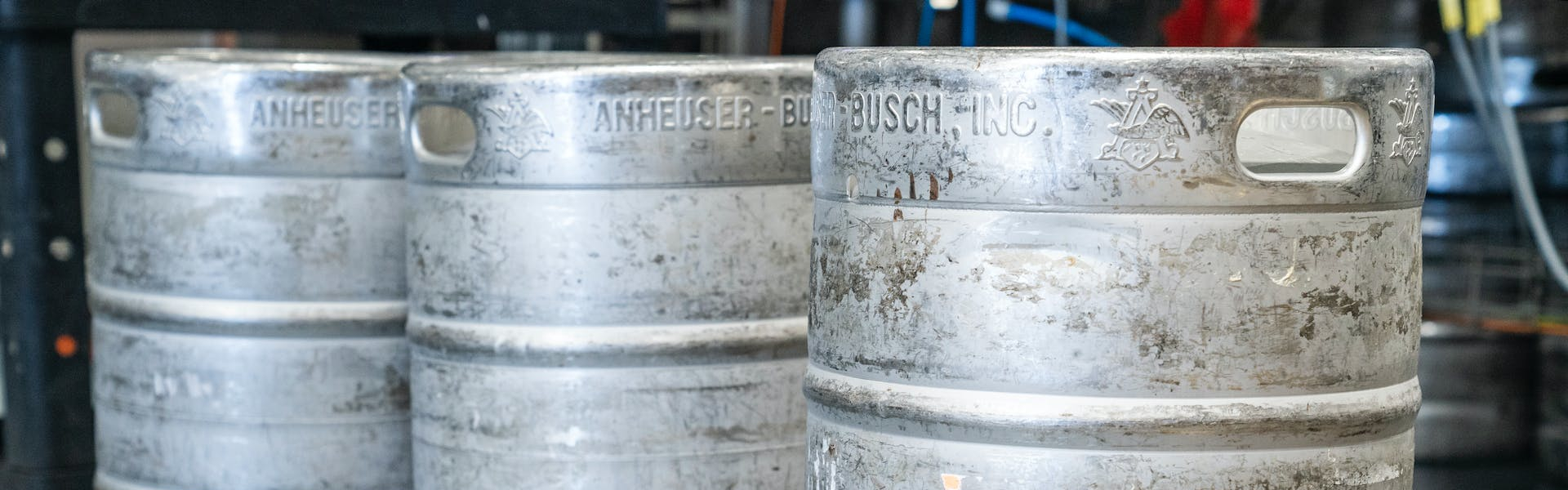
Then there’s the reality of distribution and cellar handling once the beer reaches the pub. Even within identical 11-gallon kegs, factors like storage conditions, cellar temperature stability, and how quickly stock is turned over can all influence how the beer presents when it’s poured. A keg that’s been sitting slightly longer or stored in a less consistent environment may not show the same brightness or vibrancy as one that’s moved through quickly under ideal conditions.
So while the name on the pump stays exactly the same, the beer in your glass can still shift subtly depending on batch nuance, production tweaks, and how it’s handled once it enters the on-trade system.
Because a pint isn’t a controlled lab product, it’s the result of multiple moving parts all working together at the point of service.
From the moment it leaves the cellar, there are several stages that can subtly influence how it ends up in your glass. Storage conditions in the pub can affect freshness and stability, while the dispense system itself plays a major role in how the beer is delivered, from gas pressure to line condition and overall calibration.
Once it reaches the bar, glassware becomes another variable. Cleanliness, temperature, and even glass shape can all influence how carbonation, aroma and head retention behave. On top of that, the surrounding environment, everything from room temperature to lighting and atmosphere, shapes how the beer is perceived in the moment.
Finally, human handling ties it all together. Pour technique, timing, and even small differences in service style can change the final presentation of the pint.
Individually, none of these factors need to be extreme. But when you layer them together, even small variations at each stage can add up to a noticeably different drinking experience from one pub to the next.
The interesting part is that inconsistency isn’t always a bad thing. It’s part of what makes pub culture feel alive, every pint is slightly shaped by where it’s poured, not just what it is.









We’re always on the phone, emails and social media ready to take your questions, orders or offer advice and services whenever you need it.
8:30am - 7pm open 7 days a week, inc bank holidays.





 North West
 Email
Email