


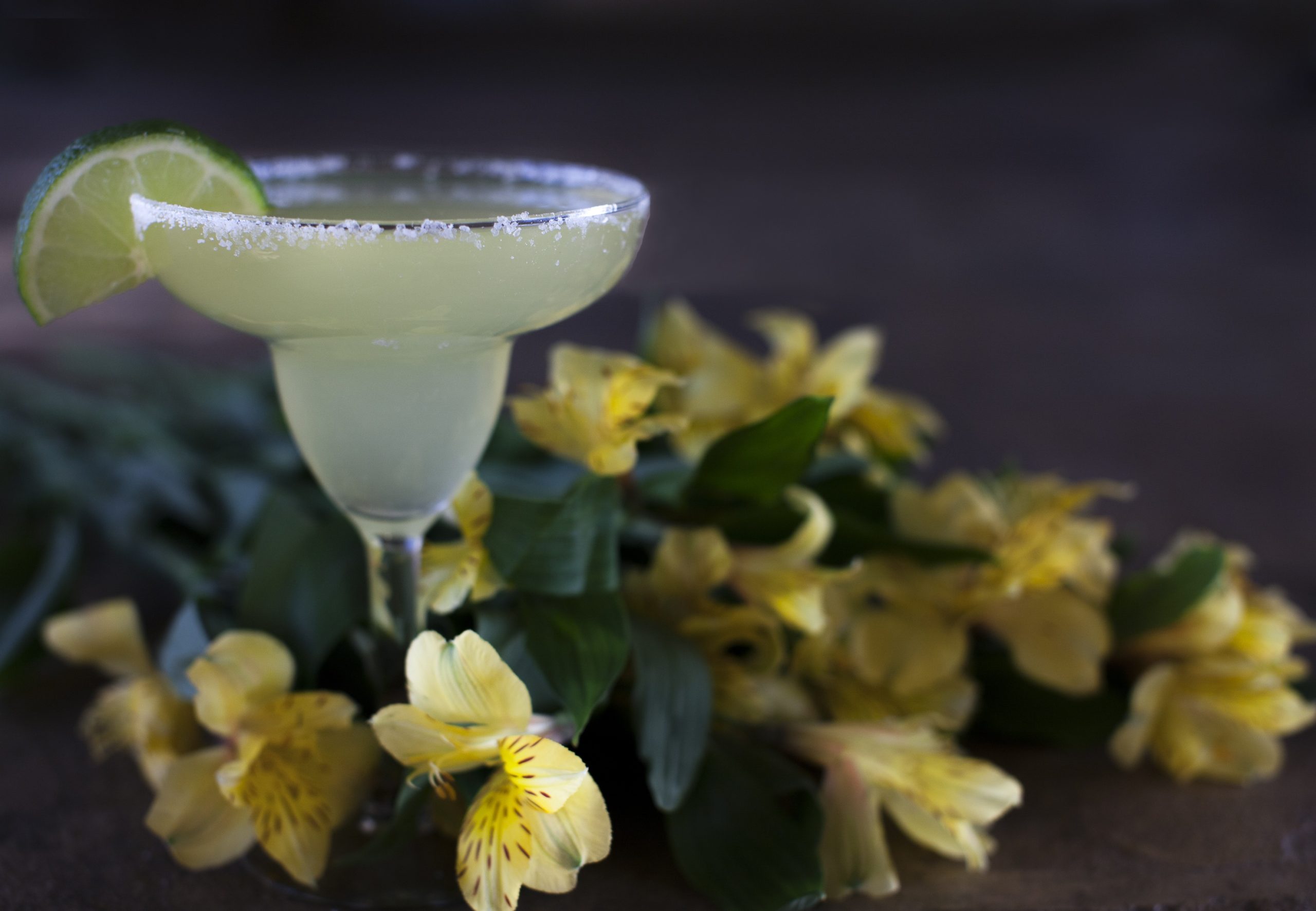
Tequila has officially gone from salt-and-lime party shooter to the spirit connoisseur’s cabinet essential. Whether you’re curious about sipping tequila neat, looking for a new cocktail favourite, or wondering what all the fuss is about, this guide is here to demystify tequila and help you choose your next bottle with confidence.
Tequila is made from the blue weber agave plant, grown primarily in the Mexican state of Jalisco. Unlike grain-based spirits like vodka or whisky, tequila is distilled from the sugars in the agave’s core, known as the piña. The plant takes about 7–10 years to mature, which adds to tequila’s cost and complexity.
While both are agave spirits, tequila must be made from blue weber agave, while mezcal can be made from over 30 varieties of agave. Mezcal is often smoky due to the traditional roasting methods used in its production. Tequila has a cleaner, earthier flavour and is generally smoother on the palate.
Tequila isn’t a one-size-fits-all spirit. In fact, there are five official types of tequila, each defined by how long it’s been aged (if at all). Ageing changes not just the colour of the liquid but also its flavour, smoothness, and ideal use — from zesty cocktails to slow, luxurious sipping. Here’s a closer look at each type.
Tequila in its purest form. It’s either unaged or aged for less than two months in stainless steel or neutral oak barrels. Because it’s so young, blanco is all about fresh, vibrant agave flavours. Expect bold herbal notes, a peppery kick, and a clean finish. It’s a favourite for cocktails like Margaritas, Palomas, or anything that needs that crisp, agave punch. If you’re new to tequila or prefer lighter, sharper spirits like gin or vodka, blanco is a great starting point.
It translates as “rested,” and that’s exactly what this tequila is — it’s aged in oak barrels for between two and twelve months. This resting period allows the spirit to mellow out, picking up subtle flavours from the wood like vanilla, honey, and spice, while still maintaining that underlying agave character. Reposado is incredibly versatile. It’s smooth enough to sip, but still bright enough to mix into more refined cocktails. Think of it as the halfway house between blanco’s punchiness and the depth of more aged styles.
Meaning “aged,” takes things further. It’s matured in oak barrels for one to three years, resulting in a rich, velvety tequila that’s perfect for sipping. The longer ageing adds layers of complexity: caramel, dried fruit, chocolate, and toasted oak often come through, making it a favourite among whisky and bourbon drinkers. While some bartenders will use añejo in spirit-forward cocktails like an Old Fashioned, it’s generally best enjoyed neat or over a large cube of ice to let its warmth and smoothness shine.
is the most luxurious category of traditional tequila, aged for more than three years in oak barrels. This gives the spirit a deep amber hue and a dense, complex profile expect flavours like molasses, dark chocolate, tobacco, and sweet baking spices. These tequilas are often released in special edition bottles and aimed at collectors or serious spirit fans. Extra añejos aren’t usually for mixing they’re designed to be savoured slowly, more like a fine Scotch or Cognac.
This the most modern of the tequila types. It starts as an añejo or extra añejo but is then charcoal-filtered to strip out the colour and some of the heavier tannins from the barrel. The result is a clear, silky spirit that looks like a blanco but drinks like something far more refined. You still get those smooth vanilla and oak notes, but with a cleaner, lighter finish. Cristalino is hugely popular for sipping neat or in elegant cocktails, especially among drinkers who want the complexity of aged tequila without the visual or flavour weight of dark spirits.
Yes — and not just in Mexico or the US. The UK has embraced tequila in recent years, with a 2024 CGA report showing a 36% rise in tequila sales across bars and retailers. The rise of premium brands and celebrity-backed bottles (like Casamigos and 818) has helped shift its image from party fuel to a refined drink for sipping and mixology.
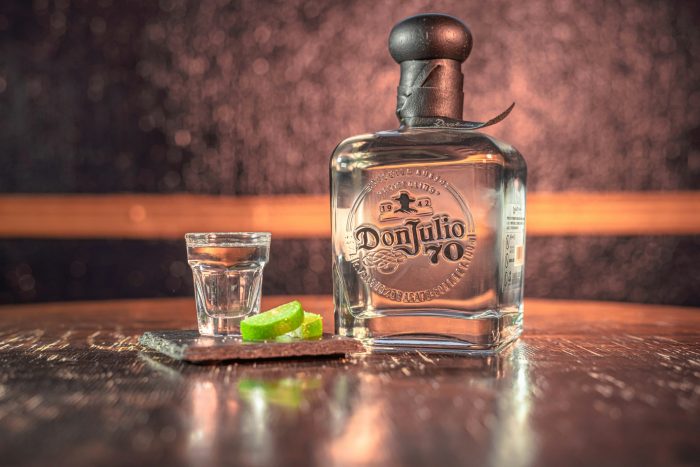
If you’re just starting out:
Most importantly, avoid cheap mixtos (which aren’t 100% agave) if you want a true tequila experience.
Tequila is incredibly versatile. Try these crowd-pleasers:
Moderation is key, of course — but tequila has some perks:
That said, always check labels — some tequilas (especially flavoured or mass-produced ones) contain added sugars.
Forget the lime and salt — here’s how to really enjoy it:
Absolutely. Whether you’re mixing cocktails or sipping neat, tequila deserves a spot alongside your gin, whisky, and rum. With more options than ever — from smooth blancos to luxurious añejos — there’s a tequila out there for every palate and budget.
Ready to explore? Look for bottles labelled 100% agave, start with a classic Margarita, and sip your way into one of the most exciting spirit categories on the market today.





We’re always on the phone, emails and social media ready to take your questions, orders or offer advice and services whenever you need it.
8:30am - 7pm open 7 days a week, inc bank holidays.






 North West
 Email
Email