


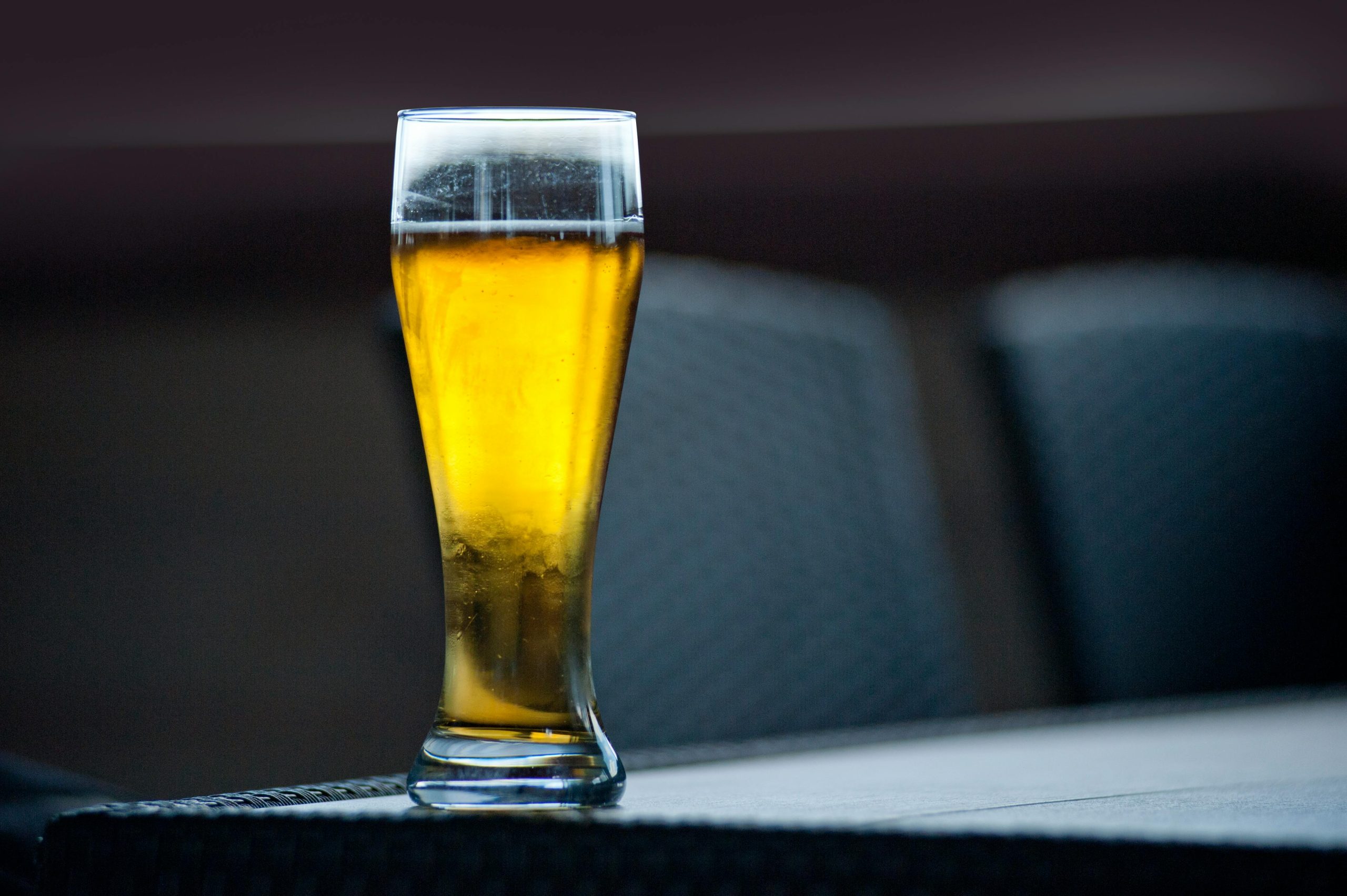
If you’ve ever looked at a pint of lager and thought, “that looks lively”—little streams of bubbles marching upwards like they’ve got somewhere important to be—then there’s a fair chance you’ve been handed a nucleated glass.
And no, it’s not just another bit of pub industry fluff designed to make a pint look fancier than it is.
Well. Not entirely.
A nucleated pint glass does have a purpose. The real question is whether it makes lager better, or whether it just makes it look less like it’s been abandoned on a windowsill.
A nucleated pint glass is a standard beer glass with a small etched marking in the bottom. Usually it is a logo, a pattern, or a cluster of tiny rough points you probably wouldn’t notice unless somebody pointed it out.
That etched section is the nucleation point.
In plain English, it is a rough surface that encourages carbon dioxide (CO₂) to gather and form bubbles. Nothing mystical. Nothing complicated. Just a glass deliberately designed to help the beer behave in a certain way.
Lager relies heavily on carbonation. That crisp, refreshing edge people expect comes from dissolved CO₂. But the gas does not just spring into action on its own. It needs somewhere to start forming bubbles.
In an ordinary glass, that can happen unevenly. In a nucleated glass, it happens in a controlled and consistent way from the bottom of the pint upwards.
That gives you a steady stream of bubbles, a more stable head, and a pint that continues to look fresh rather than going a bit flat and lifeless five minutes after it lands on the table.
This is where it actually earns its keep. Lager is not just about taste. It is also about presentation, mouthfeel, and that crisp, cold, sparkling quality people associate with a good pint. A nucleated glass can help with all of those.
The constant stream of bubbles makes the lager look active and recently poured. That matters more than people sometimes like to admit, because the first judgement of any pint is visual. If a lager looks flat, tired, or dead in the glass, people start assuming the worst before they have even taken a sip.
As bubbles rise through the beer, they help support the foam on top. That means better head retention and a pint that keeps a cleaner, more appealing look for longer. For premium lagers in particular, that is half the battle. A pint with no head does not look premium, it looks unfinished.
As bubbles reach the surface and burst, they release aroma compounds. With lager, those aromas are usually more subtle than in heavily hopped craft beers, but they are still there. A nucleated glass can help lift those aromas a little more effectively. It is not dramatic, but it is there.
This is probably the biggest point from a drinker’s perspective. A nucleated glass can make lager feel crisper and more refreshing because the ongoing bubble formation reinforces that sense of carbonation on the palate. Strictly speaking, it is encouraging gas to leave the beer, but while you are drinking it, it often feels livelier and sharper.
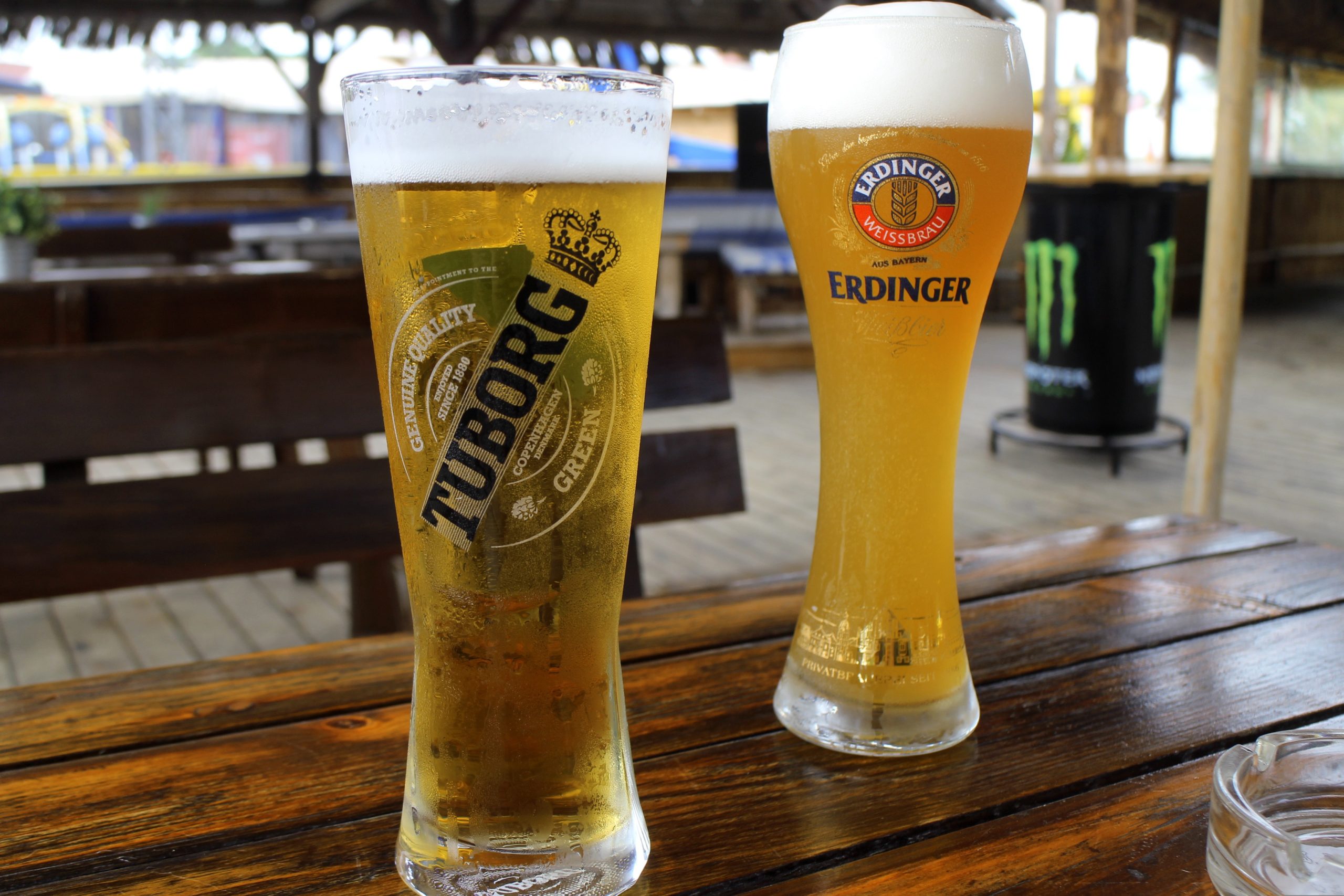
Not really. But it is not a miracle cure either. A nucleated glass will not fix poorly stored lager, dirty lines, a bad pour, or a beer that was underwhelming in the first place. In fact, if the pint is not up to much, a nucleated glass can make that more obvious rather than less.
So yes, it has a genuine function. But no, it cannot perform resurrections.
Because presentation sells. A nucleated glass makes lager look lively, consistent, and fresh. It helps reinforce a premium feel and gives customers the sense that they are getting a well-kept pint. And in a market where people are paying proper money for a lager, that matters. Theatre matters. Perception matters.
A pint that looks better will usually be judged more kindly, even before the first mouthful.
If you serve lager regularly, yes. It is one of those small details that does make a difference. Whether you are running a pub, a bar, an event space, or just a home setup that has gone well beyond what any reasonable person would call casual, nucleated glassware is an easy upgrade.
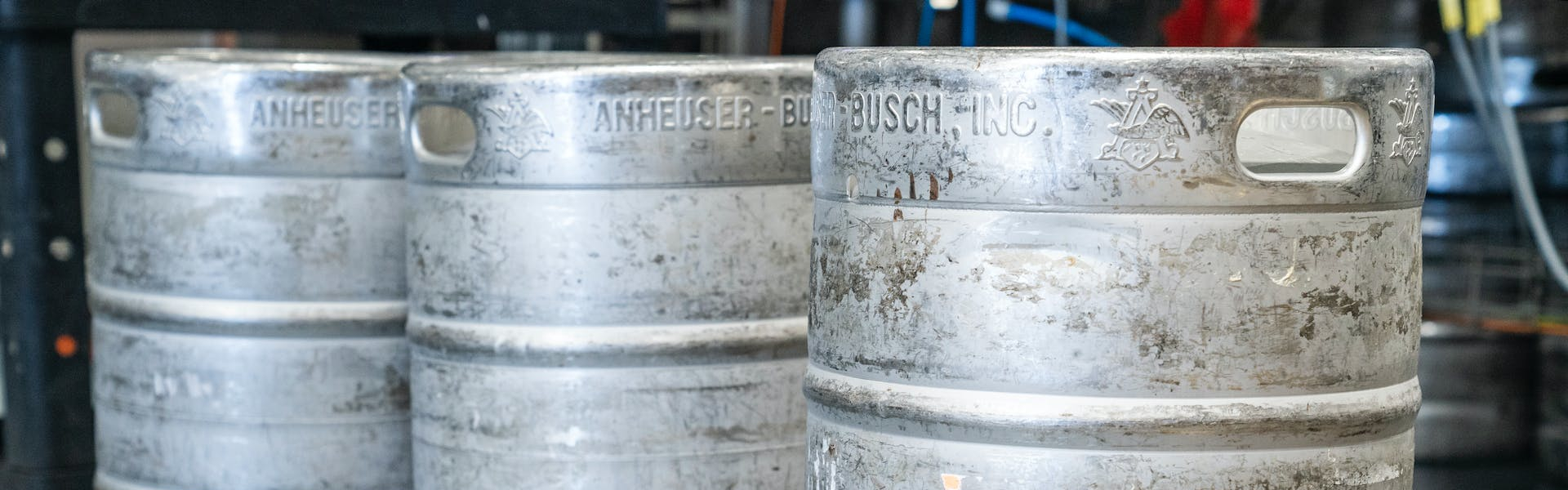
And if you are already investing in the right equipment and products, it makes sense to pair them with the right glassware too. There is no point pouring a decent pint only for it to look flat on arrival. If you are sorting out your beer setup, it is worth looking at your glassware options alongside your Blade kegs and other essentials.
Not every lager suits a nucleated glass. While they’re ideal for highly carbonated, modern lagers—where that constant stream of bubbles boosts freshness and presentation—they can be less appropriate for softer, more traditional styles like Kellerbier, Helles, or some Czech pilsners. These beers are designed to be smoother and more rounded, with gentler carbonation, so forcing extra CO₂ out can make them feel sharper and more “gassy” than intended.
They can also interfere with more delicate serving styles, particularly traditional Czech pours where foam and balance are key. In those cases, a standard, non-nucleated glass gives a more controlled drinking experience and preserves the beer as it was meant to be served. Like most things in beer, it’s not about one being better—it’s about using the right glass for the job.
A nucleated pint glass does improve lager—but mostly in terms of presentation, perceived freshness, head retention, and drinking experience rather than radically changing the flavour. It will not turn bad lager into good lager. What it will do is help a good lager show itself off properly.
Which, in all fairness, is exactly what a decent pint glass ought to be doing.





We’re always on the phone, emails and social media ready to take your questions, orders or offer advice and services whenever you need it.
8:30am - 7pm open 7 days a week, inc bank holidays.





 North West
 Email
Email