


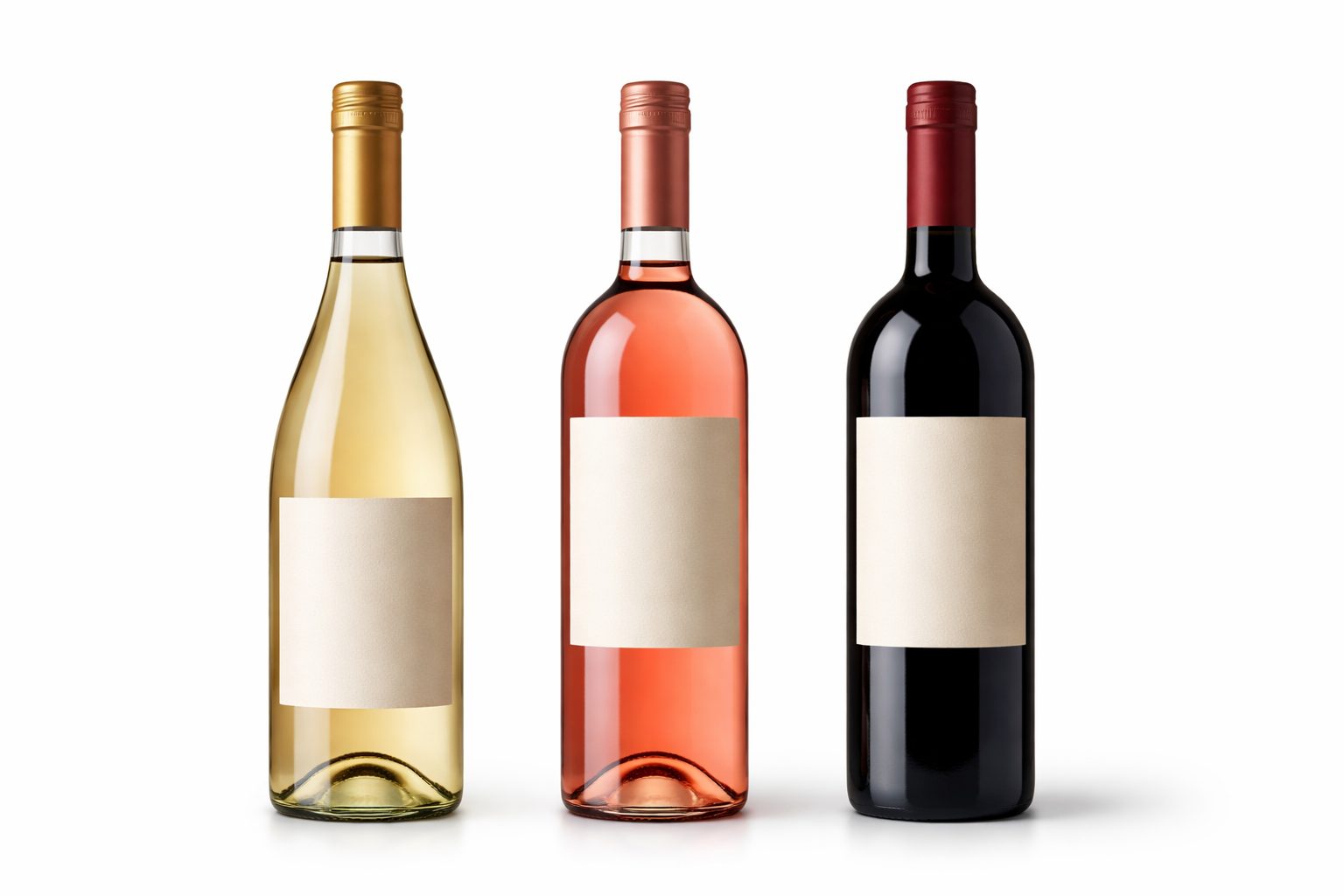
When you think of wine, you probably picture grapes, sunshine, and maybe a cozy evening. Sounds simple, right? Here’s the thing though, not all wine is Vegan. That might come as a surprise. After all, if wine is made from grapes, how could it possibly involve animal products?
The answer lies in the winemaking process, especially a specific step called fining. This is where things get a bit more complex. Many traditional wines use animal-derived substances to clarify and polish the final product.
In this article, we’ll break down exactly what makes wine vegan, why some wines aren’t, and how you can easily choose vegan-friendly options without sacrificing taste.

Wine starts with harvested grapes, which are crushed to release juice. The juice then undergoes fermentation, where yeast converts sugars into alcohol.
The basic steps include:
So far, everything is plant-based. But the key moment comes after fermentation, during clarification
You can learn more about the Red Wine making process in our thorough guide here.
Fining is a process used to:
It’s like giving the wine a final polish before bottling. However, traditional fining agents often come from animal sources.
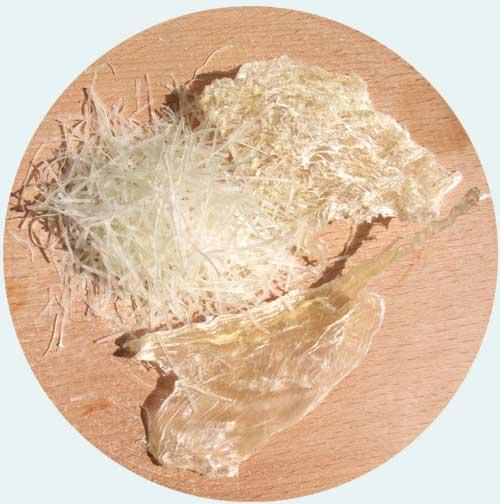
Common Animal-Derived Fining Agents
Here’s where things get surprising. Some wines use:
These ingredients help bind unwanted particles so they can be removed. Even though they don’t remain in large amounts, their use means the wine is not vegan.
Winemakers use these agents because they are:
But with growing demand for vegan products, alternatives are becoming more common.
A wine is considered vegan when no animal-derived products are used at any stage of production. While that might sound obvious, grapes are plants, after all, the reality is a bit more nuanced.
Most of the confusion comes from what happens after fermentation. Once the wine has been made, it often goes through a clarification process called fining, which removes unwanted particles like proteins, yeast, and tannins from the liquid. Traditionally, winemakers have used animal-based substances for this step, which means the final product, while seemingly plant-based, isn’t technically vegan.
To qualify as vegan, a wine must avoid all such ingredients. Instead the producer must rely on plant-based or mineral alternatives, or in some cases simply skip the fining process fining altogether.
Instead, winemakers may use:
These methods achieve the same clarity without animal involvement.
Some wines skip fining altogether. These are labeled:
They may appear slightly cloudy due to the absence of heavy filtration or fining, but this natural state often means the wine retains more of its original character. Without aggressive processing, more of the grape’s natural compounds, such as tannins, aromas, and texture remain intact. As a result, these wines can taste fuller, more complex, and sometimes even more vibrant. For many wine enthusiasts, this slight haze is a sign of minimal intervention, making the wine not only naturally vegan but also closer to its authentic, unaltered form.
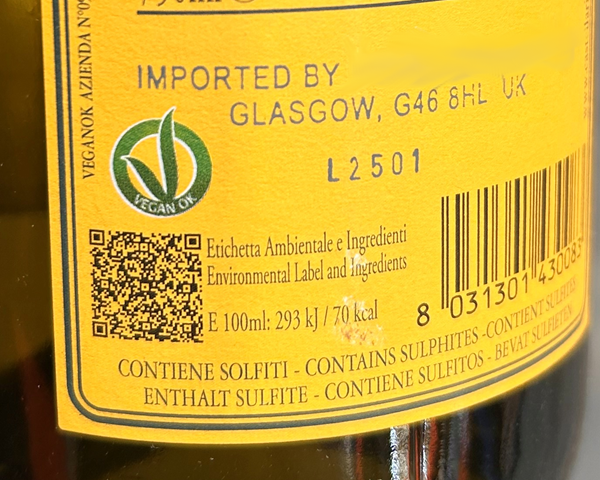
The easiest way to spot vegan wine is to look for:
These indicators take the guesswork out.
You can also check databases like:
👉 https://www.barnivore.com/
This popular site lists thousands of alcoholic beverages and whether they’re vegan-friendly.
If in doubt:
Transparency in winemaking is improving, so many brands openly share this information.
Good news! Vegan wine doesn’t taste different just because it’s vegan. The flavour of a wine is shaped primarily by factors like the grape variety, the region it’s grown in, the climate, and how it’s aged. Not by whether animal-derived fining agents were used. In fact, many vegan wines are virtually indistinguishable from their non-vegan counterparts, even to experienced tasters. The switch to plant-based or mineral alternatives simply changes how the wine is clarified, not its core taste profile, meaning you can enjoy the same depth, aroma, and balance without any compromise.
Flavor depends on:
Not the fining method.
| Myth | Reality |
|---|---|
| Vegan wine is lower quality | Many premium wines are vegan |
| It tastes different | Taste remains largely unchanged |
| It’s hard to find | Widely available today |
More people are choosing vegan wine because it aligns with a growing desire for ethical, transparent, and sustainable consumption. Many consumers want to avoid supporting industries that rely on animal-derived products, even in indirect ways like winemaking. At the same time, there’s increased awareness around environmental impact, with vegan-friendly production often overlapping with more eco-conscious practices. Add to that a demand for clearer labelling and honesty from brands, and it’s easy to see why vegan wine is gaining momentum, it allows people to enjoy wine while staying true to their values without compromising on quality.
This shift isn’t just anecdotal, it’s backed by real data. In the UK, the vegan population has grown dramatically over the past decade, with some estimates suggesting an increase of over 300% in recent years. Meanwhile, research from Mintel indicates that around a quarter of UK consumers want clearer labelling on alcoholic drinks, including whether they’re vegan-friendly. Globally, studies by Nielsen show that over 70% of consumers are willing to change their buying habits to reduce environmental impact, which strongly supports the rise of vegan and sustainably produced wines. Together, these trends highlight a clear movement toward more conscious drinking choices.
Today’s wine drinkers care about:
Today’s wine drinkers care about far more than just taste—they’re increasingly interested in the story behind the bottle. From ingredient transparency and production methods to environmental impact and ethical sourcing, consumers want to know exactly what they’re drinking and how it was made. This shift reflects a broader trend toward mindful consumption, where quality is measured not just by flavour, but by values like sustainability, authenticity, and honesty.
1. Is all organic wine vegan?
Organic wine isn’t always vegan. While organic certification ensures that grapes are grown without synthetic pesticides or chemicals, it doesn’t control what happens during the winemaking process itself. Producers may still use animal-derived fining agents like egg whites, casein, or isinglass to clarify the wine. So, even if a wine is labelled organic, you’ll still need to check for vegan certification or confirmation to be certain it’s completely animal-free.
2. Can red and white wines both be non-vegan?
Yes, both red and white wines can be non-vegan. The difference in colour comes from how the grapes are processed, not from whether animal products are used. During the fining stage, winemakers may use animal-derived agents like egg whites, casein, or isinglass in either type. So regardless of whether you prefer red or white, it’s always worth checking if the wine is specifically labelled as vegan.
3. Is vegan wine healthier?
Not necessarily. Vegan wine is defined by its production process—avoiding animal-derived fining agent, rather than its nutritional content. Health-wise, it’s largely the same as conventional wine. Choosing vegan wine is more about ethics and sustainability than health benefits.
4. Are expensive wines more likely to be vegan?
Not always. A wine’s price is usually influenced by factors like grape quality, region, and production methods, not whether it’s vegan. Both budget and premium wines can be vegan or use animal-derived fining agents, so price isn’t a reliable indicator.
5. Do vegan wines last as long?
Yes. A wine’s longevity is determined by factors like grape variety, vintage, production methods, and storage conditions, not whether it’s vegan. Properly stored vegan wines can age just as well as conventional ones.
6. Is “unfiltered wine” always vegan?
Usually, unfiltered wines avoid fining agents, which makes them more likely to be vegan. However, this isn’t guaranteed, some producers may still use animal-derived products at other stages. Always check the label or producer information to be sure.
7. Is sustainably sourced wine always vegan?
Not necessarily. While sustainably sourced wine focuses on environmentally friendly practices—such as reducing chemical use, conserving water, and promoting biodiversity—it doesn’t automatically mean the wine is vegan. A winery can follow sustainable or even organic farming methods and still use animal-derived fining agents like egg whites, casein, or isinglass during production. To be sure a wine is both sustainable and vegan, you’ll need to look for specific vegan labelling or confirmation from the producer.
Understanding what makes wine vegan helps you make informed choices without giving up enjoyment. While traditional wines may use animal-derived agents, modern alternatives make it easier than ever to find vegan-friendly options.
Whether you’re fully vegan or just curious, exploring vegan wine opens the door to a more conscious and sustainable way of enjoying one of the world’s oldest beverages.





We’re always on the phone, emails and social media ready to take your questions, orders or offer advice and services whenever you need it.
8:30am - 7pm open 7 days a week, inc bank holidays.






 North West
 Email
Email