


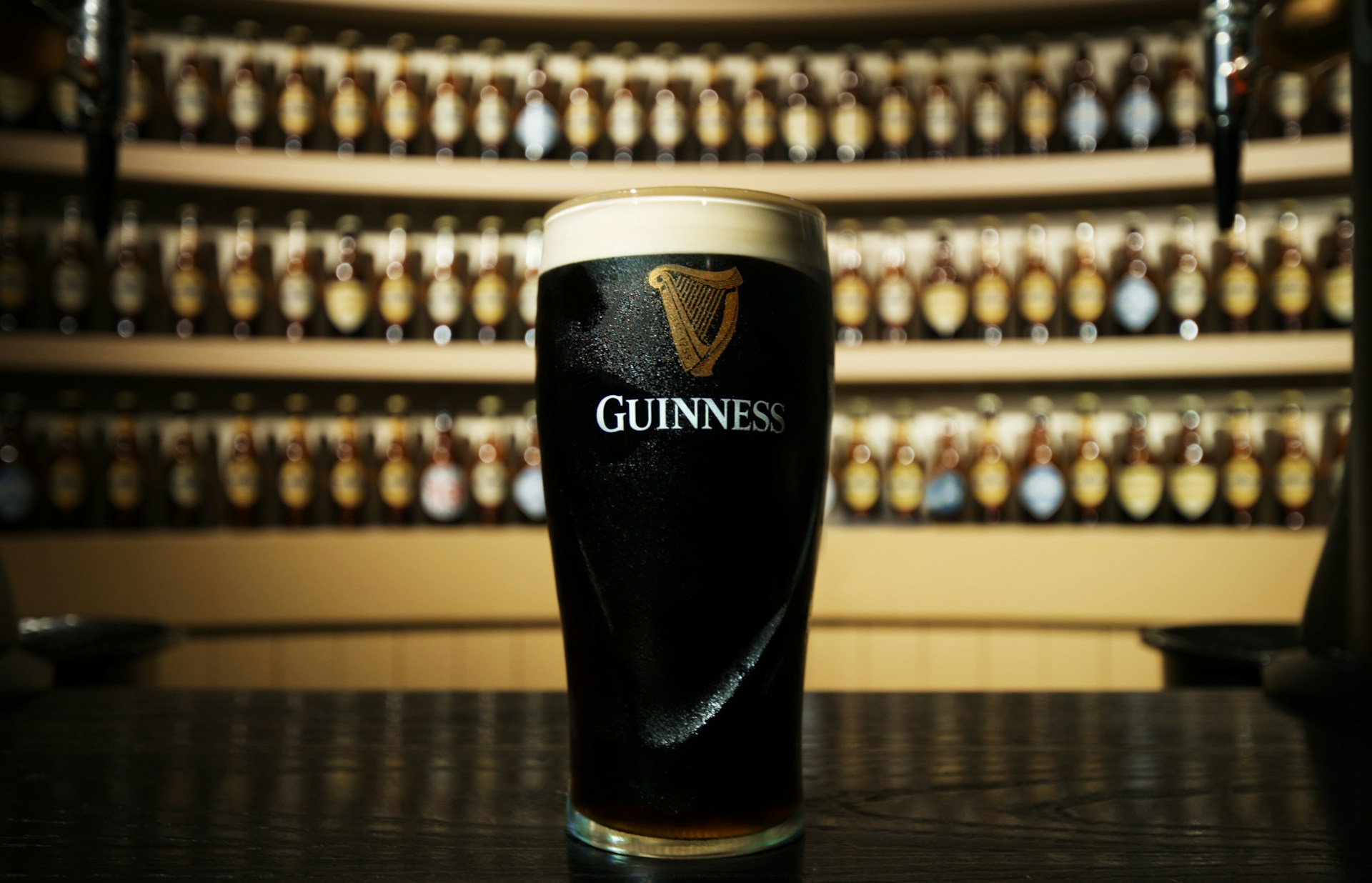
The question every Guinness drinker has asked at least once. Whether it’s a pint in a tiny village pub, a packed city centre bar, or a trip to Ireland itself, many people swear Guinness tastes noticeably better in some places than others. So is it all in your head, or is there something behind it?
Guinness is one of the fastest-selling beers in many pubs, particularly those with a strong reputation for serving it.
High turnover means:
A pub that pours dozens of kegs a week is likely to serve a more consistent pint than one that only sells a handful each day.
While every beer benefits from good cellar management, Guinness can be particularly sensitive to poor dispense conditions.
Issues with:
can all affect the texture and creaminess that Guinness is famous for.
A slight issue that might go unnoticed in another stout can be obvious in a Guinness.
Guinness is designed to be served in branded glassware with a specific shape.
The shape helps:
Will a different glass ruin the beer? No. But it can change the experience.
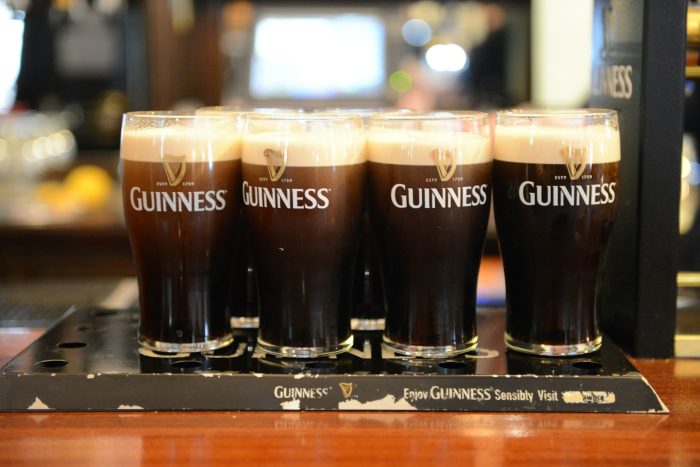
Few beers are as closely associated with a serving ritual as Guinness. As the adverts say, it takes 119.5 seconds to pour the perfect pint of Guinness, and that’s not just filler text. The famous two-part pour isn’t just theatre, although a bit of theatre always helps.
Allowing the beer to settle before topping it up helps create the dense, creamy head that contributes significantly to the mouthfeel of the finished pint.
A rushed pour often feels different, even if the liquid itself is identical.
This is where things get interesting.
Many visitors to Ireland genuinely believe Guinness tastes better there, and there are a few reasons why that perception exists.
First, Guinness sells in enormous volumes throughout Ireland. Faster stock rotation means fresher beer and more pubs that specialise in serving it correctly.
Second, many Irish pubs treat Guinness as a point of pride. Staff training, line maintenance and cellar management often receive a level of attention that other beers don’t.
Third, expectation plays a surprisingly powerful role. Drinking Guinness in Dublin, surrounded by centuries of history and pub culture, creates an experience that is difficult to separate from the flavour itself.
The reality is that the Guinness exported to Britain is brewed to the same specification, and modern logistics mean it arrives quickly and in excellent condition. There’s no secret “better Guinness” reserved for Ireland.
However, there is a very good argument that the average Irish pub is more likely to serve an excellent pint of Guinness than the average pub elsewhere, simply because of the volume sold and the cultural importance attached to getting it right.
This is the part most people underestimate.
Research has repeatedly shown that environment influences taste perception.
Things like:
all shape how enjoyable a drink feels.
A Guinness shared with friends in a packed Dublin pub after a day of sightseeing may genuinely seem better than the same pint on a rainy Tuesday night at home.
Yes.
Not because the recipe changes, but because the conditions surrounding the pint change.
Freshness, cellar standards, line cleanliness, glassware, pouring technique and atmosphere all influence the final result.
Get all those things right and Guinness becomes exactly what its fans claim it is. Get them wrong and it can be surprisingly ordinary.





We’re always on the phone, emails and social media ready to take your questions, orders or offer advice and services whenever you need it.
8:30am - 7pm open 7 days a week, inc bank holidays.






 North West
 Email
Email