


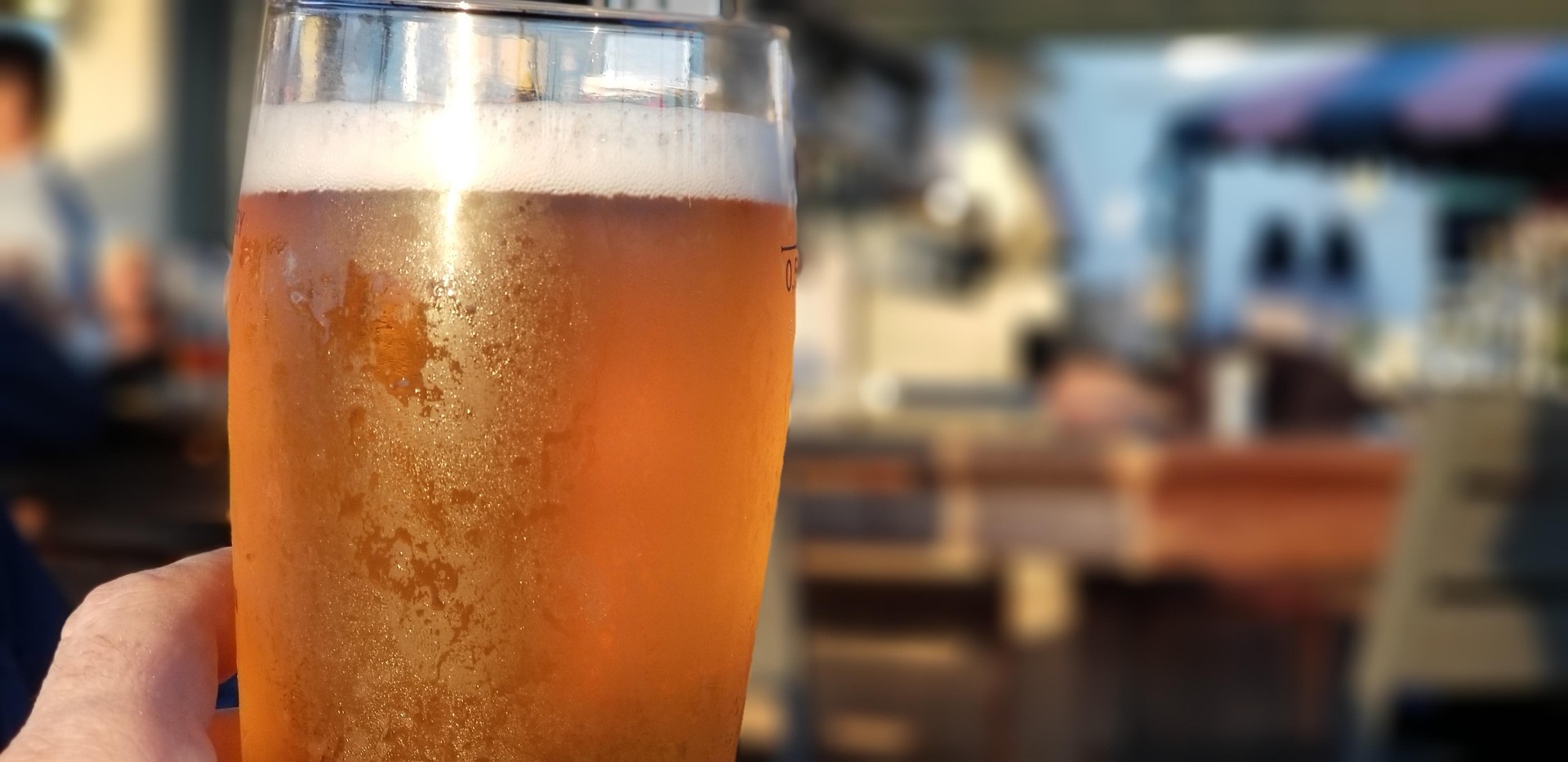
You’ve probably had this happen. Same lager. Same brand. Same night. But one pint tastes crisp, sharp, and bang on… and the next one feels a bit flat, a bit dull, like it’s lost its edge somewhere between the tap and your table.
You assume it’s the line. Or the barrel. Or the bloke behind the bar having an off day.
Sometimes, it’s none of those.
Sometimes, it’s the glass.
And no—this isn’t just beer-snob nonsense. The glass you drink from genuinely changes how lager looks, smells, and feels. Which, in turn, changes how it tastes.
Short answer: yes.
Longer answer: it affects everything around the taste, which ends up changing how your brain interprets the flavour.
We’re talking about:
Change those, and you change the pint—even if the liquid itself hasn’t changed at all. —
Not all pint glasses are created equal. You’ve got straight-sided pints, tulip shapes, stemmed glasses, oversized bowls and each one changes how the beer behaves once it’s poured. A wider top lets aromas escape more easily. A narrower opening traps them in. A curved shape can help support the head. A straight glass might not.
For lager, which relies on subtle aroma and a clean finish, these small differences matter more than you’d think. It’s not about making lager taste like something else it’s about whether you get the best version of what it already is.
If you’ve ever seen a pint with a constant stream of bubbles rising from the bottom, that’s not luck that’s design. Some glasses include an etched base to encourage carbonation. That’s called nucleation. If you want the full breakdown, we’ve covered it properly here: what a nucleated pint glass actually does.
In short, it keeps the lager looking lively and helps maintain carbonation throughout the drink. Without it, lager can feel flatter, even if it technically isn’t.
The head on a lager is not just there to look pretty. That foam layer acts like a lid, trapping aroma and controlling how the beer hits your palate.
A glass that supports a stable head will:
A glass that doesn’t? You lose that pretty quickly.
And when the head disappears, the pint can feel thinner, sharper in a bad way, and generally less enjoyable.
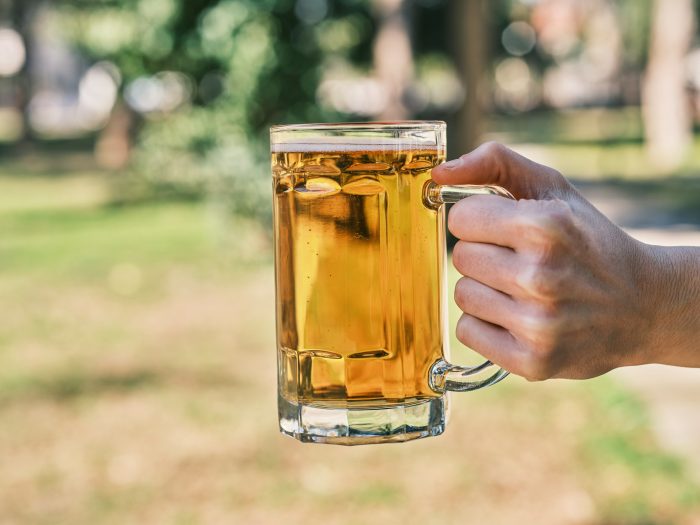
This one gets overlooked a lot. The thickness of the glass, the shape, and even how you hold it all affect how quickly your lager warms up. A thin, straight pint glass held in your hand will warm faster than a stemmed or heavier glass.
And as lager warms:
Which is why that last third of a pint can sometimes feel like a completely different drink. —
Sounds minor. It isn’t. The thickness and shape of the rim changes how the beer hits your mouth. A thinner rim feels cleaner and sharper. A thicker rim can dull that edge slightly. With lager where crispness is the whole point, that difference is noticeable.
This is the big one. You can have the perfect glass shape, ideal nucleation, and a textbook pour—but if the glass isn’t clean, it ruins the lot. Residue in the glass kills head retention and disrupts carbonation.
That’s when you get:
At that point, it doesn’t matter how good the lager is. The experience has already taken a hit. —
Most of the time—yes.
Not because of the logo, but because they are designed specifically for that beer. Brands put time (and money) into getting the shape, nucleation, and presentation right so that every pint looks and feels consistent.
It’s not just marketing. It’s controlled presentation.
And in a pub setting, consistency is everything.
Yes. More than most people realise.
The glass won’t change the actual liquid, but it absolutely changes how that liquid behaves—and how you experience it.
With lager, that means:
So if one pint tastes better than another, don’t just blame the beer.
Have a look at the glass.
Because more often than not, that’s where the difference starts.





We’re always on the phone, emails and social media ready to take your questions, orders or offer advice and services whenever you need it.
8:30am - 7pm open 7 days a week, inc bank holidays.





 North West
 Email
Email