


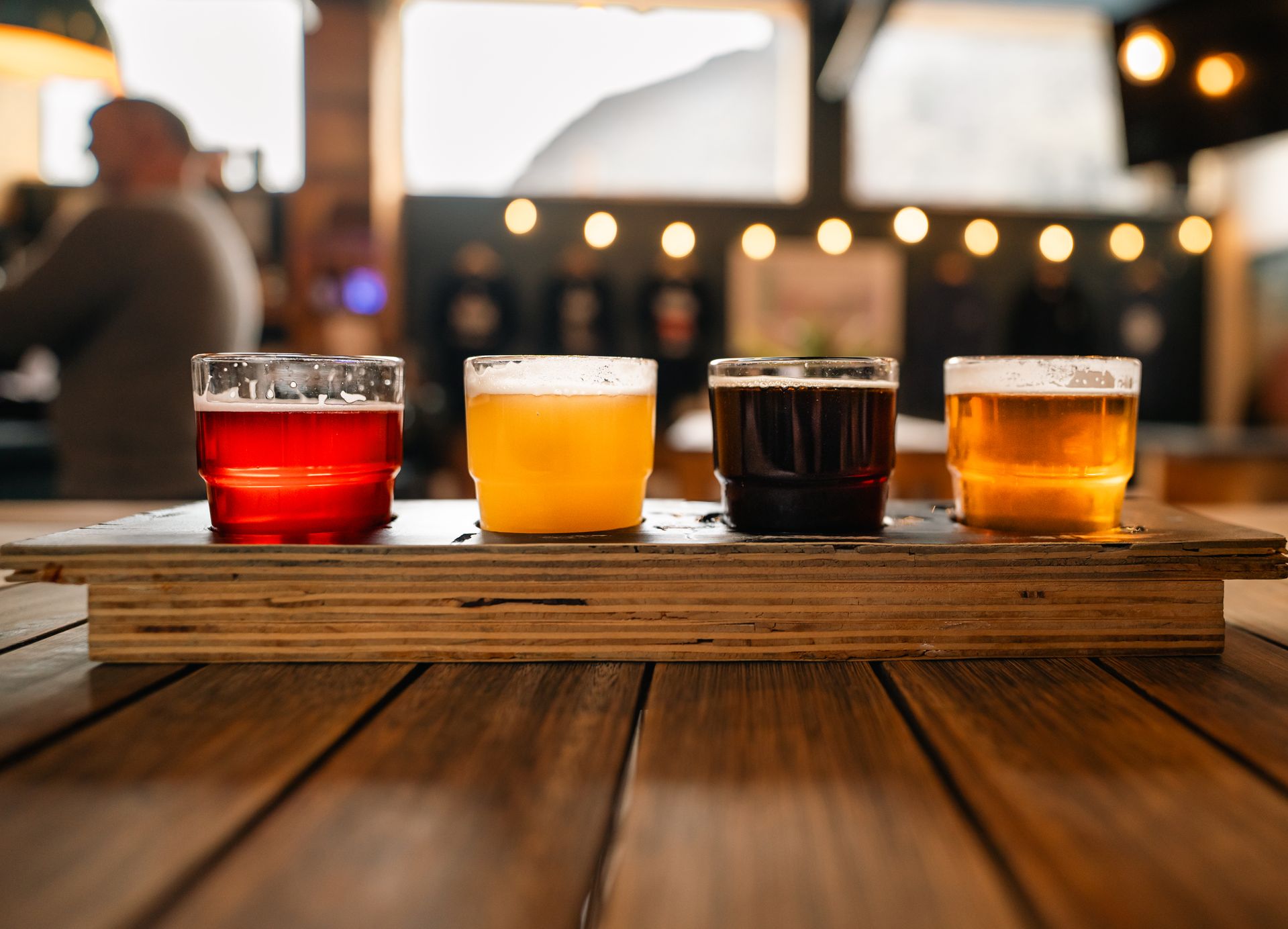
Walk into two different pubs and order what looks like the same beer, and you might still end up with two very different experiences. One might feel crisp, lively and full of fizz, while the other comes across as softer, rounder and a little more relaxed. A lot of that comes down to how the beer is served, but some of it starts much earlier, at the point where the brewery decides how that beer is going to be enjoyed in the first place.
Many modern beer brands are designed with more than one serve in mind. Rather than existing as a single fixed product, they are often brewed and released in both keg and cask formats. The same core beer can be presented in slightly different ways depending on the intended dispense style, with each version bringing out different qualities in the liquid. Popular brands, such as Doombar, Old Speckled Hen and loads more exist in both Keg & Cask format.
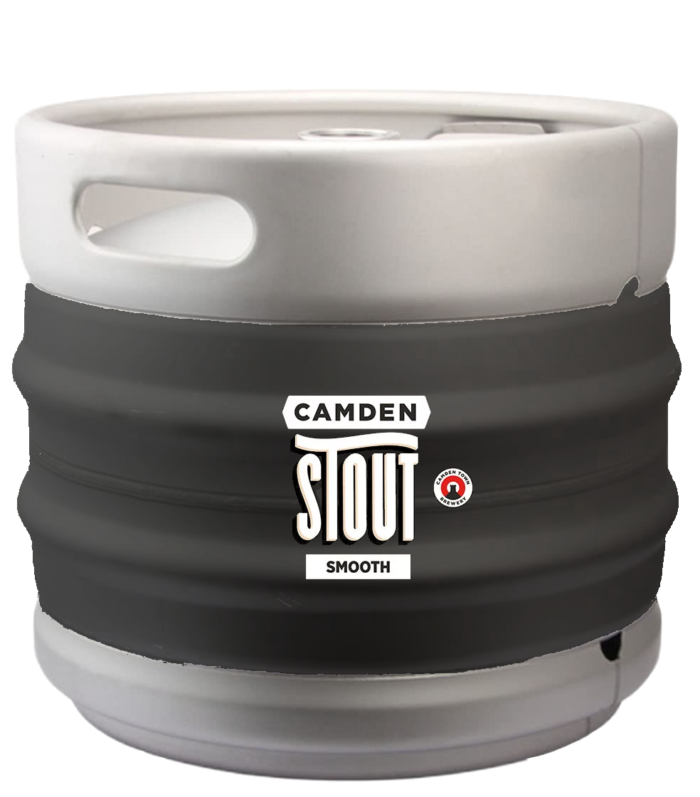
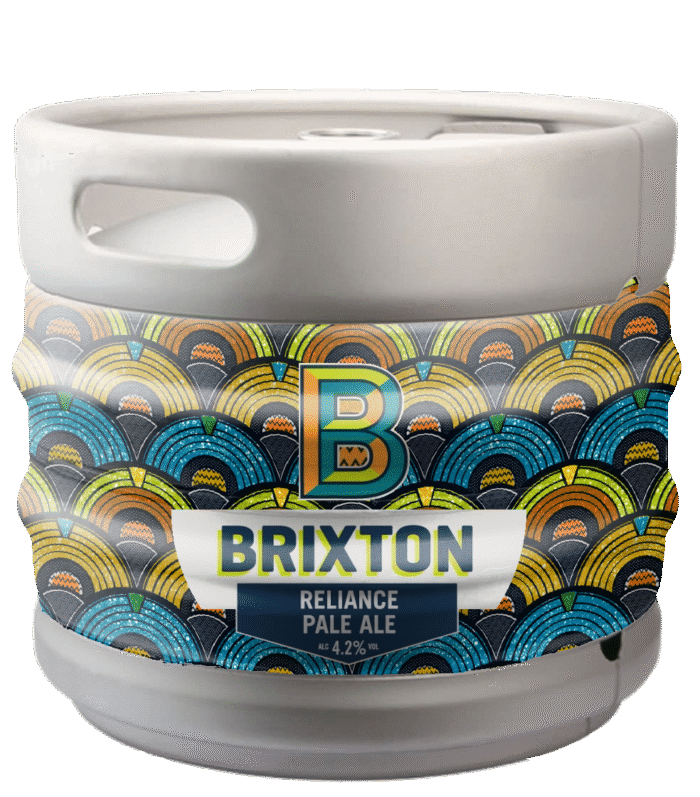
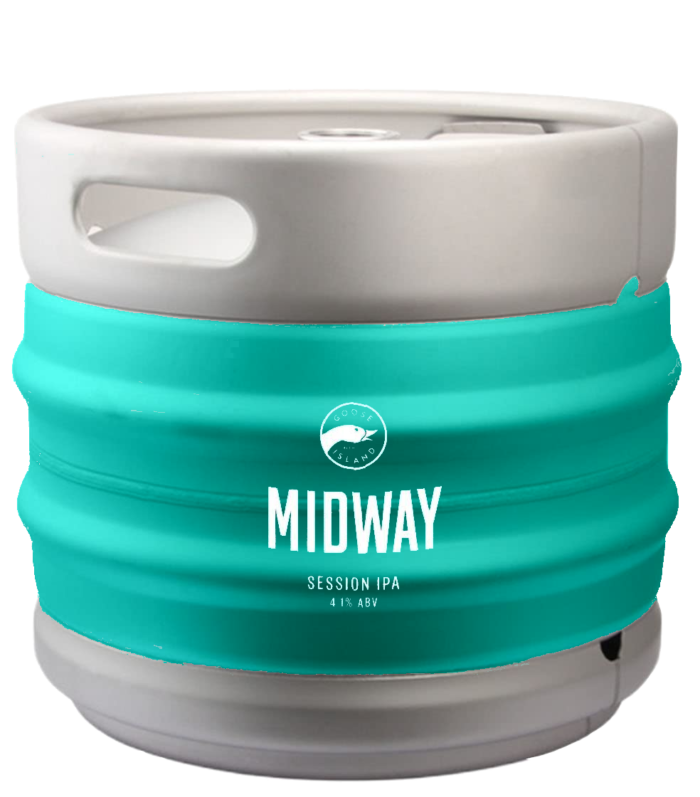
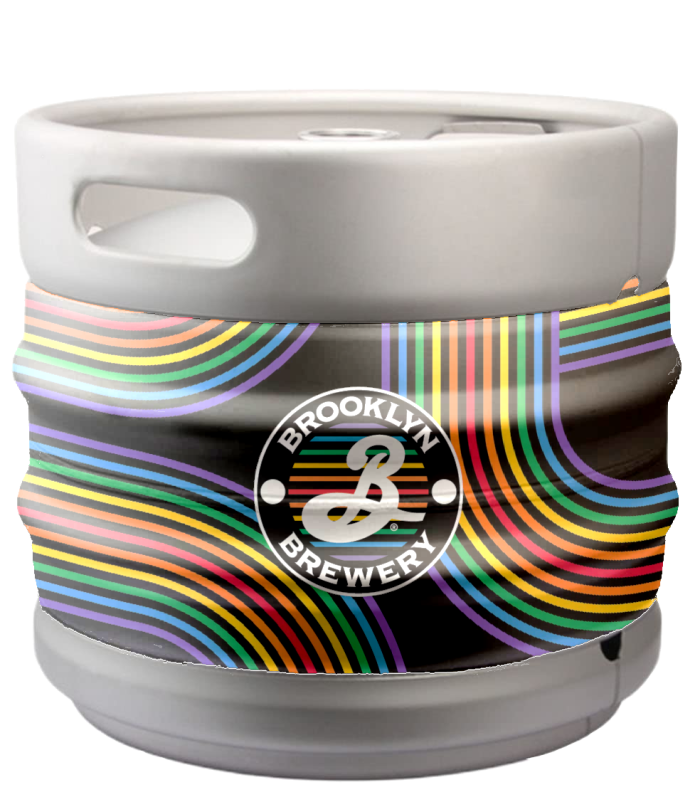
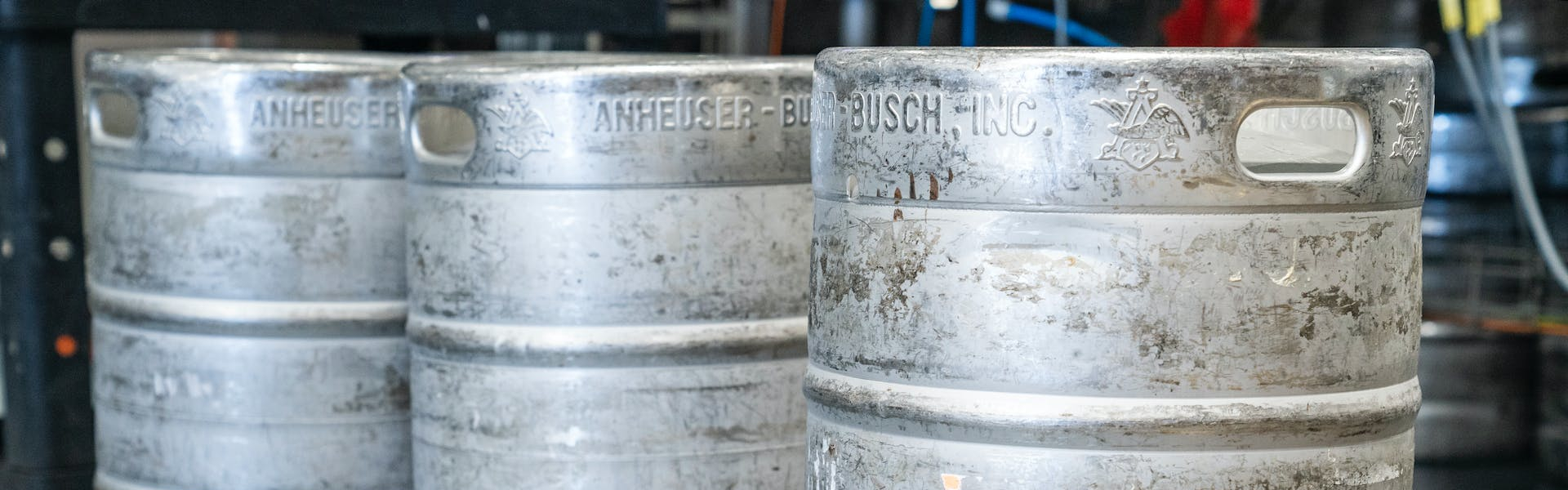
Keg beer is sealed in a pressurised container and then pushed from the cellar to the tap using gas, most commonly carbon dioxide or a carefully balanced blend of gases. This system keeps the beer stable and consistent, helping to maintain carbonation and protect it from outside air as it travels through the lines. The result is a controlled dispense that delivers a reliable, repeatable pint every time, with the beer arriving in the glass much as the brewery intended.
Key characteristics:
Because it’s a controlled system, keg beer tends to be:
Most lagers, IPAs and mainstream ales in UK pubs are keg-served.
Cask beer, often referred to as “real ale”, is a living product that continues to mature and condition in the container it is served from. Unlike more controlled dispense systems, it undergoes a gentle secondary fermentation in the cask itself, which means it can evolve slightly as it sits in the cellar. This gives cask beer its distinctive character, with a softer carbonation and a more natural, rounded flavour that can change subtly from day to day depending on how it has been handled and where it is in its life cycle.
Key characteristics:
Because of this, cask beer tends to be:
It’s often described as having more “depth”, though that depends heavily on handling.
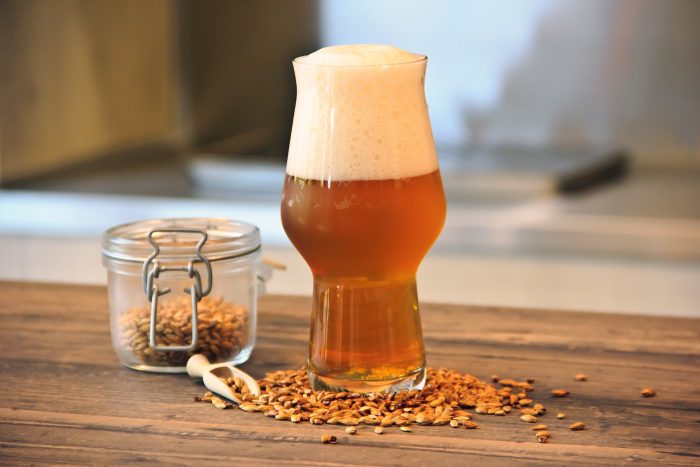
Even if the same brewery produces both keg and cask versions of a beer, the drinking experience changes because of three main factors:
Keg beer has higher, more consistent carbonation. This creates:
Cask beer has lower carbonation, which results in:
Cask beer is usually served slightly warmer than keg.
That matters because:
Keg beer, served colder, tends to:
Keg beer is essentially “locked in” once packaged.
Cask beer, however, is still evolving:
This means two pubs can serve the same cask ale and it may still taste different depending on how it’s been stored and when it was tapped.
Not really, they’re just different experiences rather than one being objectively better than the other. A lot of the debate around keg versus cask has been shaped by preference, tradition and, in some cases, a bit of snobbishness.
In reality, both formats have their strengths. Keg beer tends to offer consistency, clarity and a reliably crisp finish, which makes it ideal for modern styles where freshness and precision are key. Cask beer, on the other hand, brings a softer carbonation and a more evolving character, which many people enjoy for its depth and tradition.
The important point is that neither is inherently superior. They are simply different ways of presenting the same idea of beer, each designed to highlight different qualities in the liquid. What matters most is how well the system is looked after and how thoughtfully the beer is served, rather than which side of the keg versus cask divide it sits on.
Keg beer is:
Cask beer is:
Preference usually comes down to what you’re in the mood for rather than objective quality.
This is one of the biggest reasons beer can taste different between pubs, even when you order the same brand.
If one pub serves it on keg and another on cask, you’re not just comparing two pours — you’re comparing two entirely different serving systems.
Add in cellar temperature, glassware, and freshness, and the gap becomes even more noticeable.
Keg and cask aren’t competing versions of the same thing — they’re two different approaches to serving beer entirely.
So the next time your pint tastes different somewhere else, it might not be the pub doing anything wrong. It might just be that you’re drinking a different expression of the same beer.







We’re always on the phone, emails and social media ready to take your questions, orders or offer advice and services whenever you need it.
8:30am - 7pm open 7 days a week, inc bank holidays.





 North West
 Email
Email