


Few places are as deeply woven into British life as the pub. They’re where conversations happen, friendships are formed, and entire communities quietly revolve around a bar counter and a familiar face behind it.
But beyond the pints and pub lunches, British pubs are full of quirks, traditions and hidden history that most people never stop to think about. From strange design choices to centuries-old customs that still shape how we behave today, there’s far more going on in your local than it first appears.
Here are 10 things you probably never knew about British pubs.
If you’ve ever looked down in a traditional pub and thought the carpet was unusually loud, you’re not imagining it.
Those bold, busy patterns are often there for a reason. Pubs are high-traffic environments where spilled drinks, muddy shoes and general wear are part of daily life. A heavily patterned carpet helps disguise stains, scuffs and everyday marks, allowing the pub to maintain its character between deep cleans and refurbishments.
There is another practical benefit too. Carpets help absorb sound, reducing the noise created by dozens of conversations, moving chairs and busy foot traffic. Combined with the familiar patterns, they help create the warm and welcoming atmosphere many traditional pubs are known for.
It’s not just decoration. In many cases, it’s practicality disguised as tradition, and one of those small design choices that has become part of the classic British pub experience.
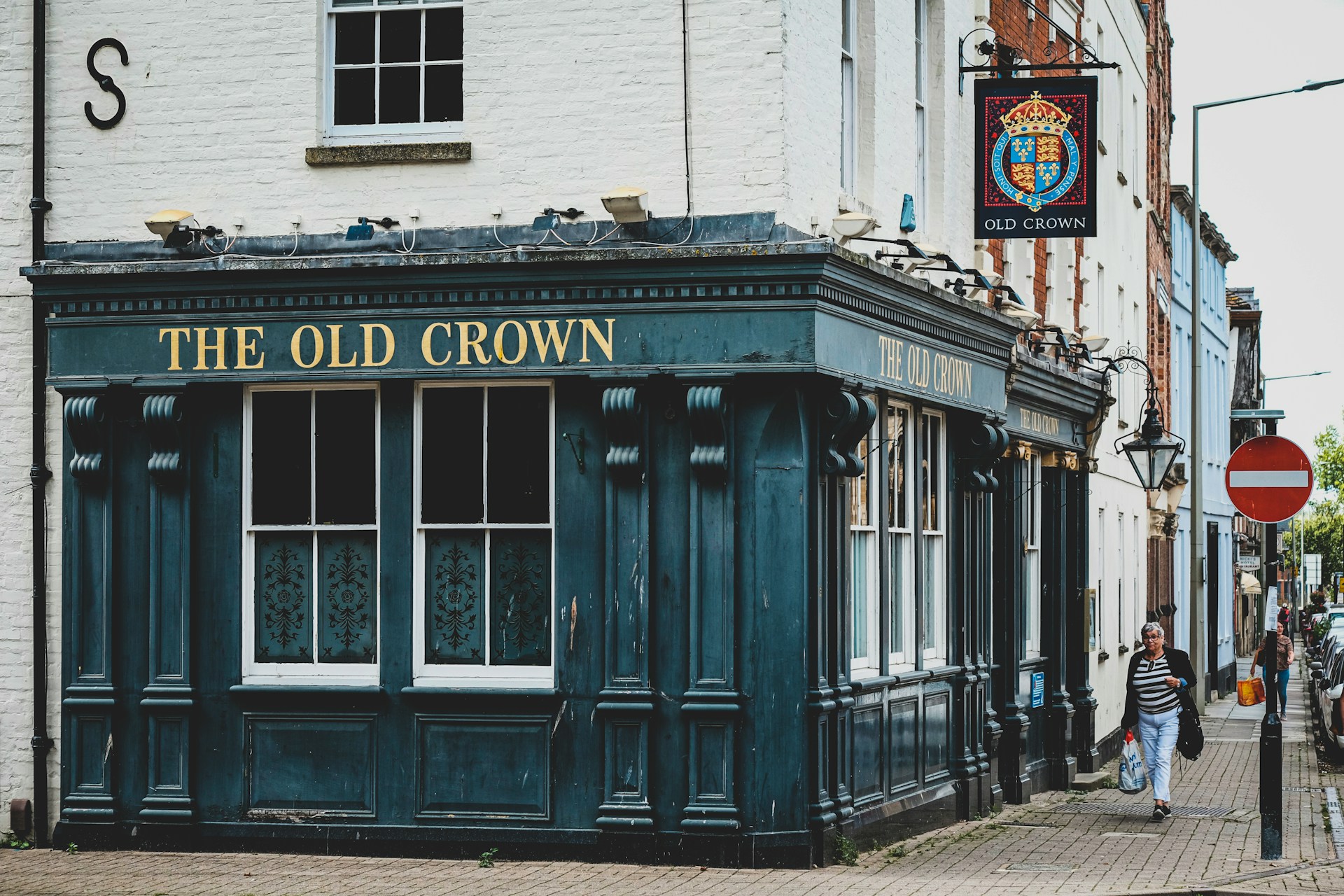
Names like The Red Lion, The King’s Head, The White Hart and The Crown can be found across the country, and they can seem oddly repetitive until you look at where they came from.
In earlier centuries, many people could not read, so pubs relied on visual symbols rather than written names. A painted animal, crown, coat of arms or royal figure hanging outside the building made it easy for travellers and locals alike to recognise their destination from a distance.
Many of these symbols had meanings of their own. Some reflected loyalty to the monarchy, while others were linked to noble families, local history or heraldic emblems. As a result, certain names became especially popular and were adopted by pubs in towns and villages throughout Britain.
Over time, the images on the signs became the names themselves, and many have survived for hundreds of years. The next time you pass a Red Lion or White Hart, you’re looking at a tradition that dates back to a time when a picture was often more useful than a written word.
It’s not uncommon to see older pubs with two entrances, and while it might look unusual today, it often had a very practical purpose.
Many traditional British pubs were divided into separate rooms that catered to different customers and occasions. One entrance typically led to the public bar, a simpler space where drinks were cheaper and working people would gather for a pint after a long day. The other often opened into a lounge bar or saloon, which offered more comfortable seating, a quieter atmosphere and, in some cases, slightly higher prices.
These separate entrances helped keep the different areas distinct and allowed customers to enter the part of the pub that best suited their preferences. In some communities, the divisions reflected social customs of the time, with certain rooms attracting different groups of people or serving different purposes throughout the day.
As pub culture evolved during the twentieth century, many landlords removed the internal walls to create larger, more open spaces. However, the original entrances often remained in place, leaving behind a visible reminder of how pubs once operated. The next time you spot an old pub with two front doors, you’re looking at a small piece of Britain’s social history.
Before pubs became primarily social venues for drinks and food, they played a much broader role in everyday life.
They were places where people gathered to share news, conduct business, arrange work and discuss local affairs. Long before telephones, newspapers were widely available, or the internet existed, the pub was often one of the few places where information could be exchanged quickly and reliably. Travellers brought stories from neighbouring towns, local tradespeople found customers, and communities stayed connected through regular meetings and conversations.
Many pubs also served practical functions, acting as venues for auctions, hiring fairs, inquests, club meetings and local celebrations. In towns and villages across Britain, the local pub became a focal point of community life, bringing together people from all walks of life under one roof.
In that sense, the pub was not simply a place for socialising. It was an important part of the community itself, helping people stay informed, build relationships and organise daily life long before modern communication networks existed.
The phrase “last orders” is so familiar that most people never think about where it came from.
It originates from licensing laws that required pubs to stop serving alcohol at a set time. Before closing, landlords would signal to customers that they had one final opportunity to buy a drink.
Over time, that announcement became a ritual in its own right. Even as laws have changed, the phrase has remained firmly part of pub culture.
In British pubs, “cheers” is traditionally used as a toast before taking a drink. But outside the pub, it has taken on a much broader meaning and become one of the most versatile words in everyday British conversation.
Today, it’s commonly used to say thank you, goodbye, or simply acknowledge someone in a friendly way. Whether you’re accepting a coffee, ending a phone call or thanking someone for holding a door, there’s a good chance “cheers” will make an appearance.
That flexibility comes from its roots in shared drinking culture, where raising a glass was a simple gesture of goodwill and friendship. As pubs became an important part of social life, the expression gradually spread beyond the bar and into everyday language.
Over time, it moved beyond the table and became one of Britain’s most recognisable and widely used expressions, often conveying warmth and friendliness in just a single word.
Walk through almost any British town and you’ll notice a recurring theme in pub names and imagery tied to royalty.
Names such as The King’s Head, The Crown, The Royal Oak and The Queen’s Arms can be found throughout the country, reflecting centuries of British history and the long-standing relationship between pubs and the monarchy. In many cases, these names were adopted as a public display of loyalty to the reigning monarch or to celebrate significant royal events.
Royal symbols also served a practical purpose. At a time when many people could not read, signs featuring crowns, kings, queens or heraldic emblems made pubs easy to identify from a distance. As these symbols became familiar landmarks within their communities, the names often remained unchanged for generations.
Even today, these royal references continue to form part of Britain’s pub landscape. While most customers rarely think about their origins, they offer a fascinating reminder of how deeply history, tradition and everyday life have been intertwined in British pubs for centuries.
Many traditional pubs feature a brass rail running along the bottom of the bar, and most people barely notice it.
While it certainly adds to the classic pub aesthetic, the rail originally served a practical purpose. Customers standing at the bar could rest one foot on it, making long conversations and extended drinking sessions a little more comfortable.
In the days when pubs were often standing-room-only and people might spend hours socialising at the bar, that small piece of metal made a surprising difference. Today, it remains as a subtle reminder of how pub design evolved around the habits of its customers.
Britain is home to pubs that have been serving customers for centuries, with some buildings claiming origins that stretch back into the medieval period.
While exact “oldest pub” claims are often debated, what’s not in question is that many pubs have been central to community life for hundreds of years. Some have survived wars, fires, changing monarchs and dramatic social change, all while continuing to welcome locals and travellers through their doors.
Many of these historic pubs retain original features such as exposed beams, stone floors, low ceilings and centuries-old fireplaces, offering visitors a glimpse into Britain’s past. In some cases, the building itself may be older than many of the institutions and landmarks that surround it today.
Standing in one of these pubs means sitting in a place that has seen generations come and go. Few businesses can claim such a long and continuous connection to the communities they serve, which is part of what makes Britain’s pub heritage so remarkable.
At its core, the British pub has never just been about alcohol.
It has always been about connection. Whether it’s catching up with friends, meeting new people, or simply having a place to sit and talk, the pub has historically served as one of the few shared social spaces that feels genuinely open to everyone.
Even as pubs change over time, that fundamental role hasn’t really gone anywhere.








We’re always on the phone, emails and social media ready to take your questions, orders or offer advice and services whenever you need it.
8:30am - 7pm open 7 days a week, inc bank holidays.






 North West
 Email
Email